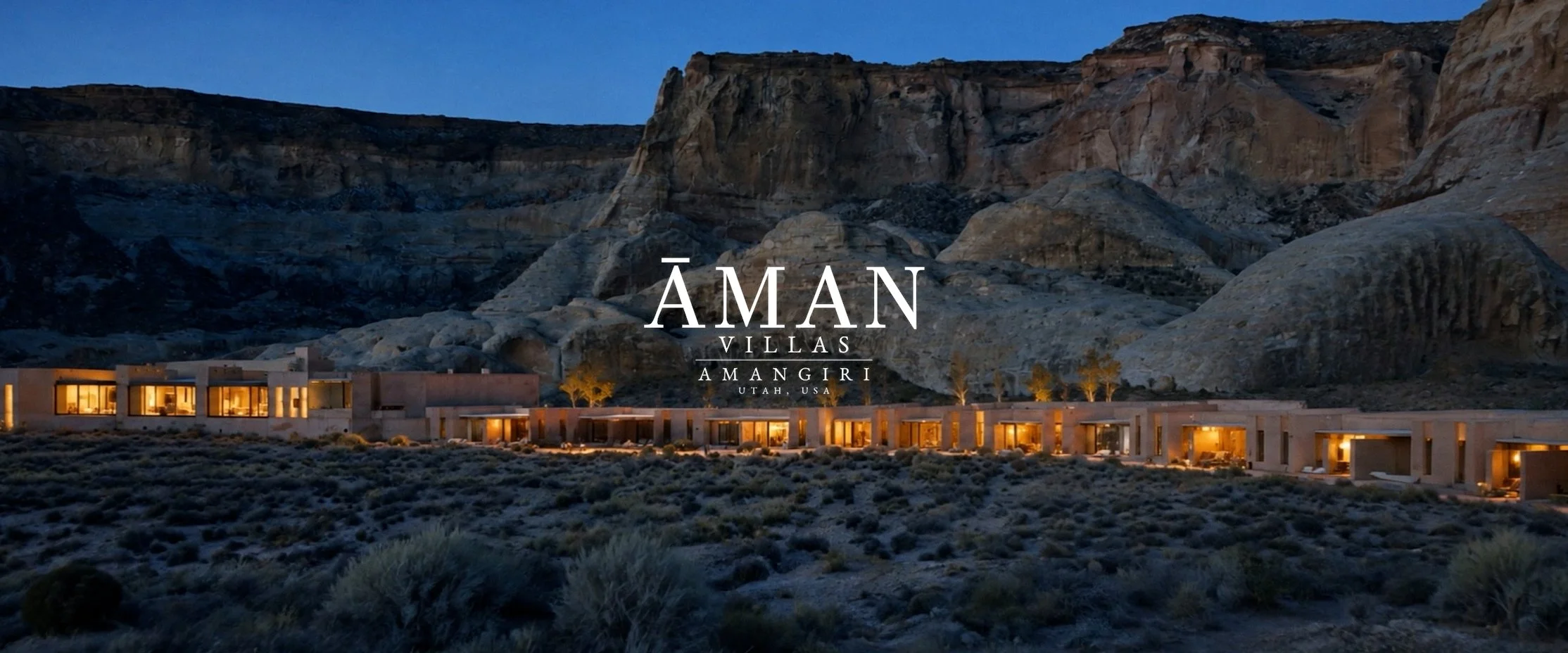
THE ART OF DESIRE
Luxury is not simply what is offered. It is the world a brand creates around it, a sense of rarity, aspiration and distinction that makes people want to belong to it.
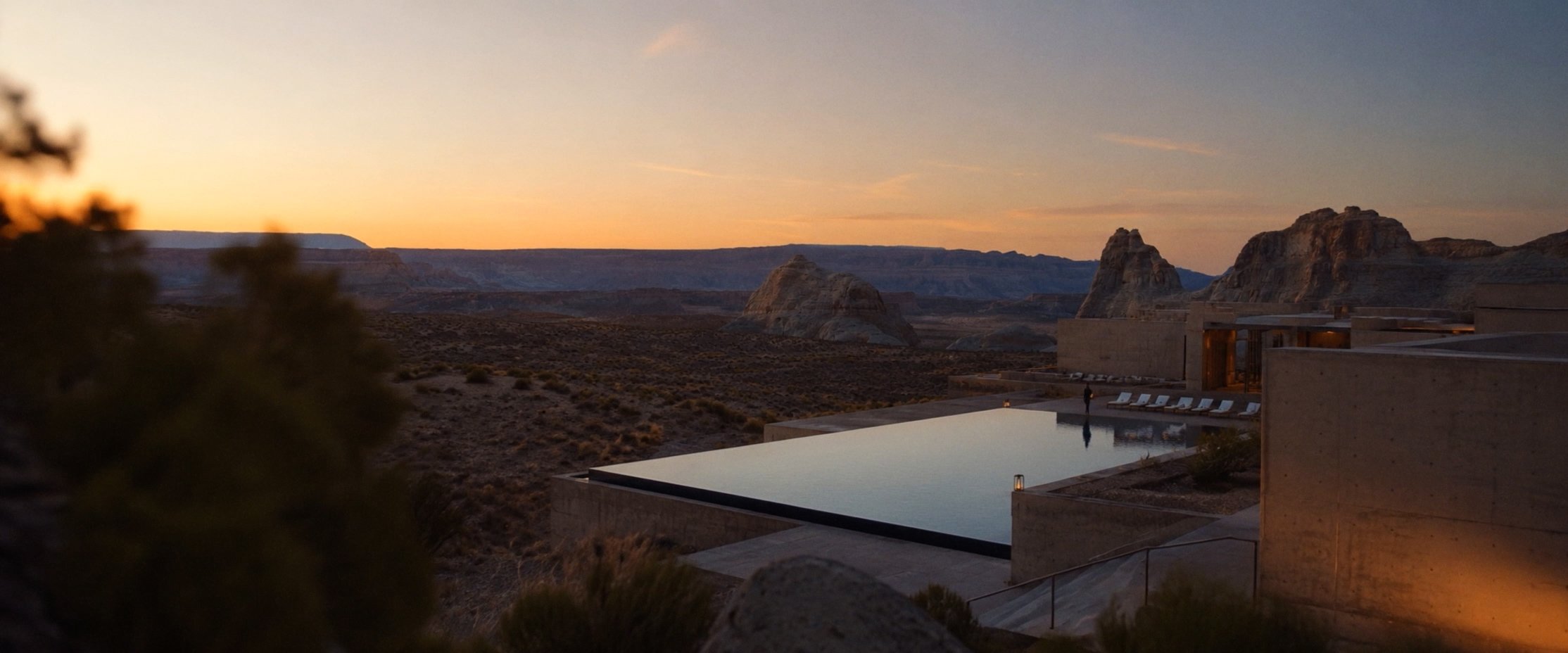
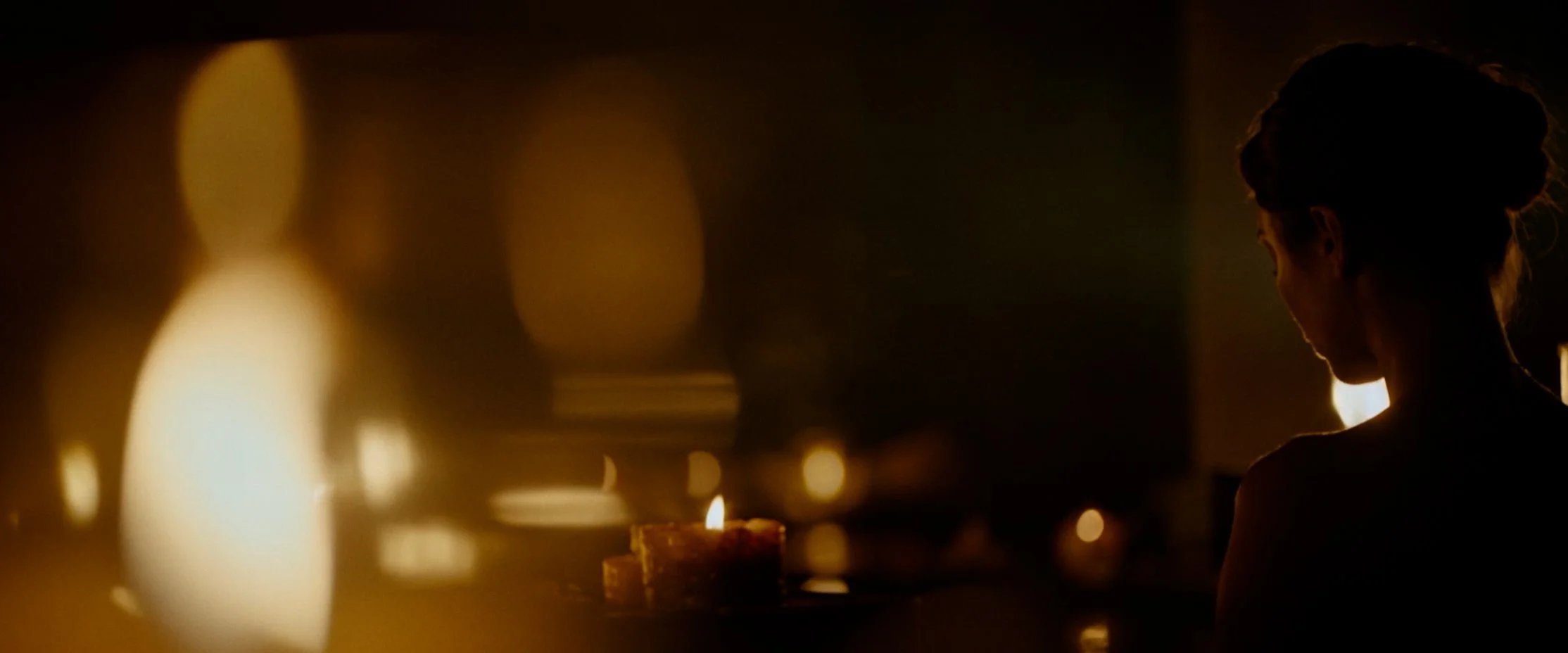
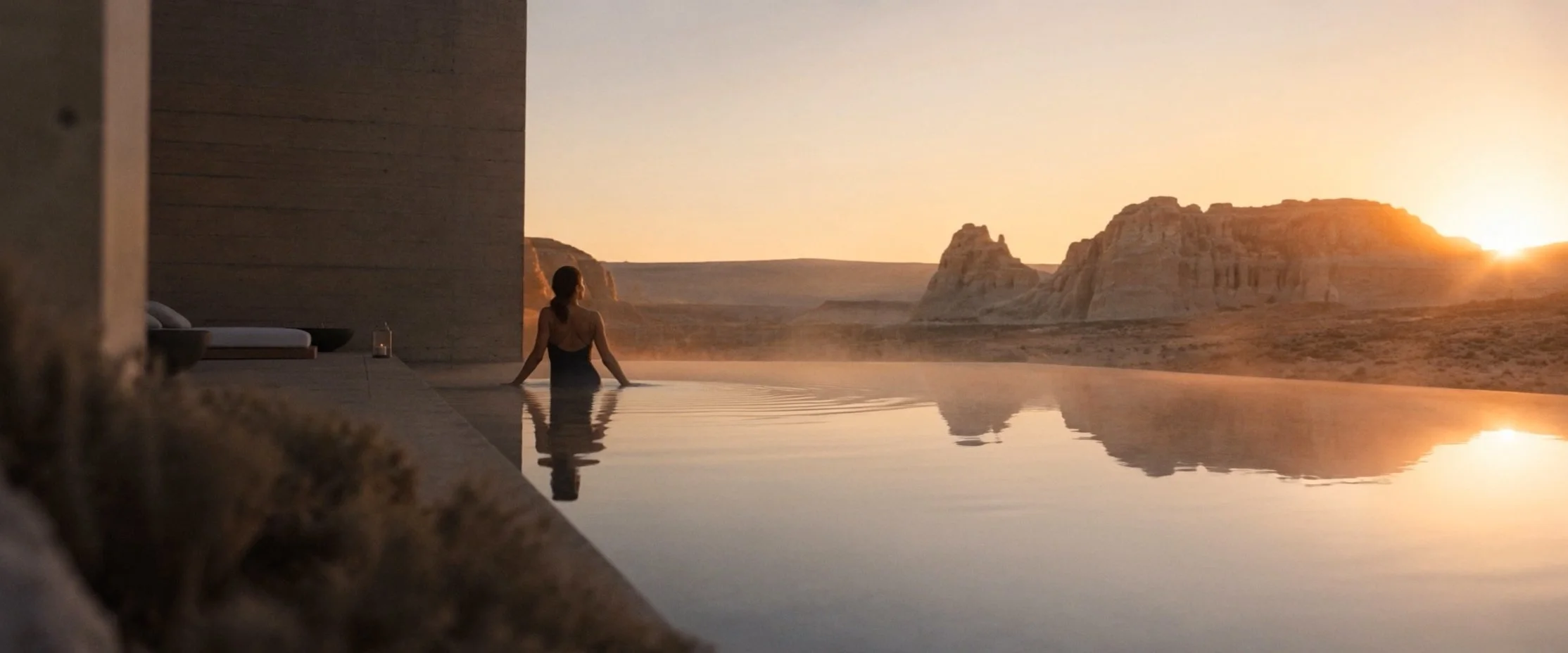
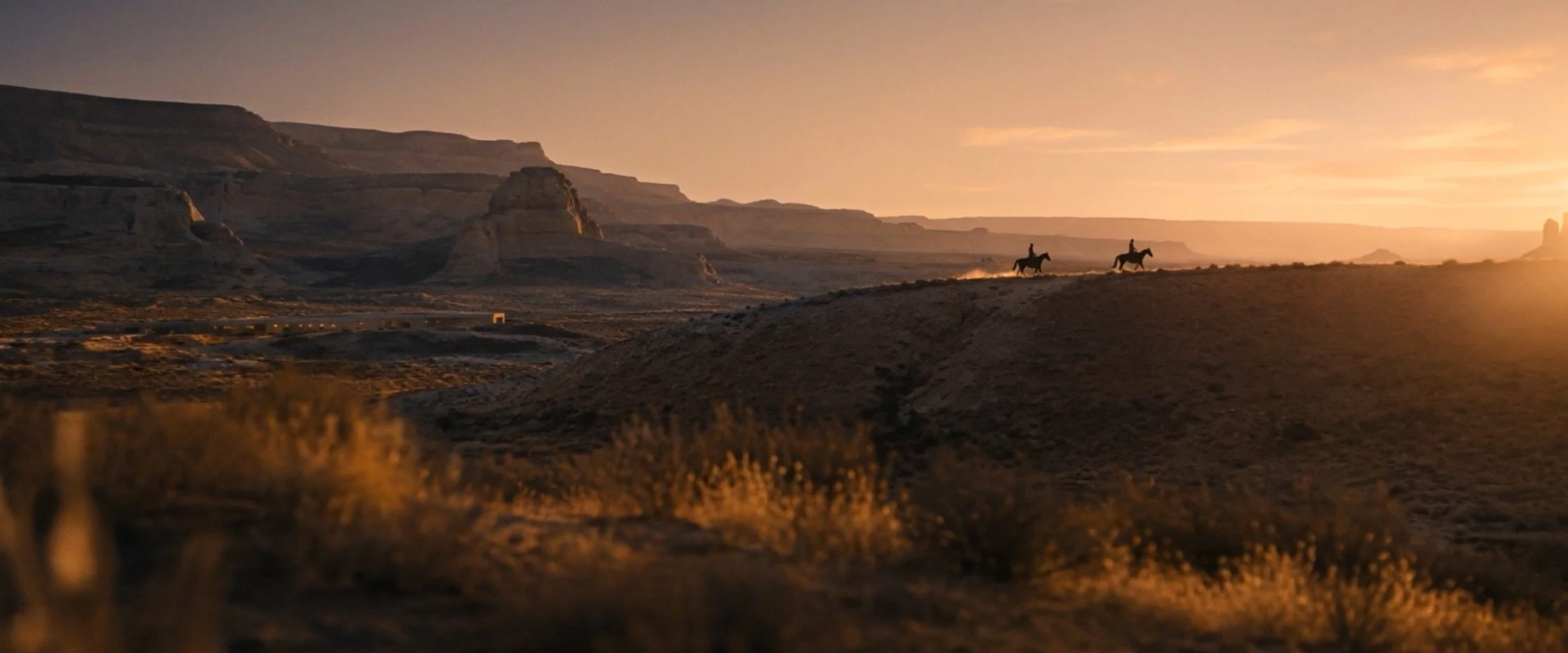
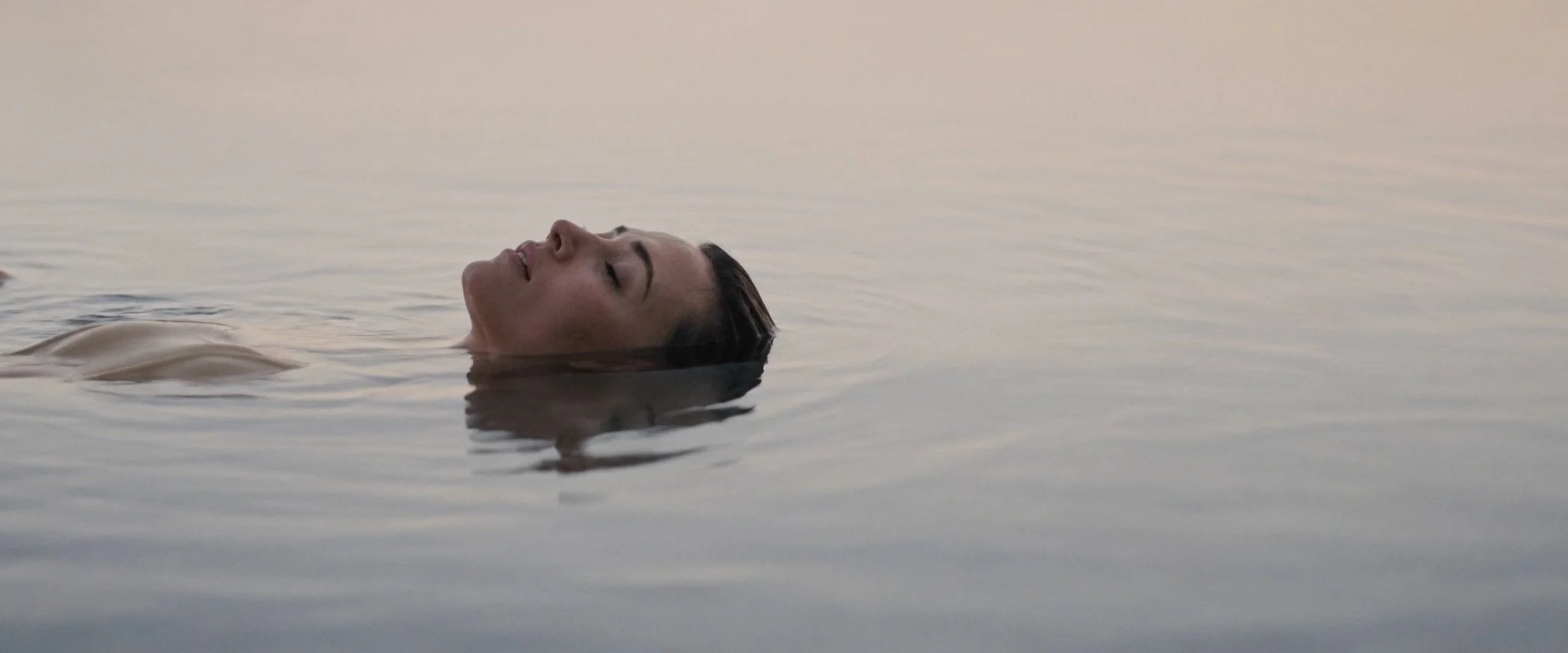
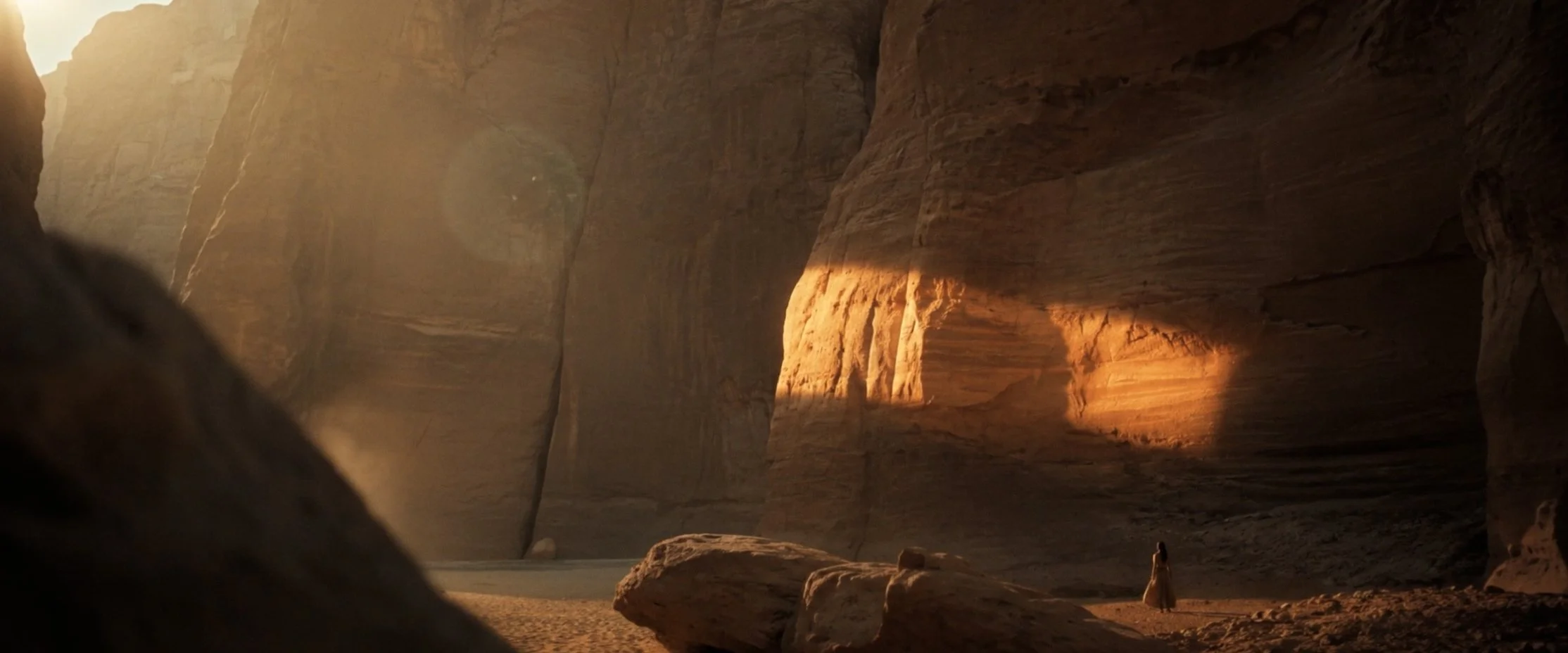
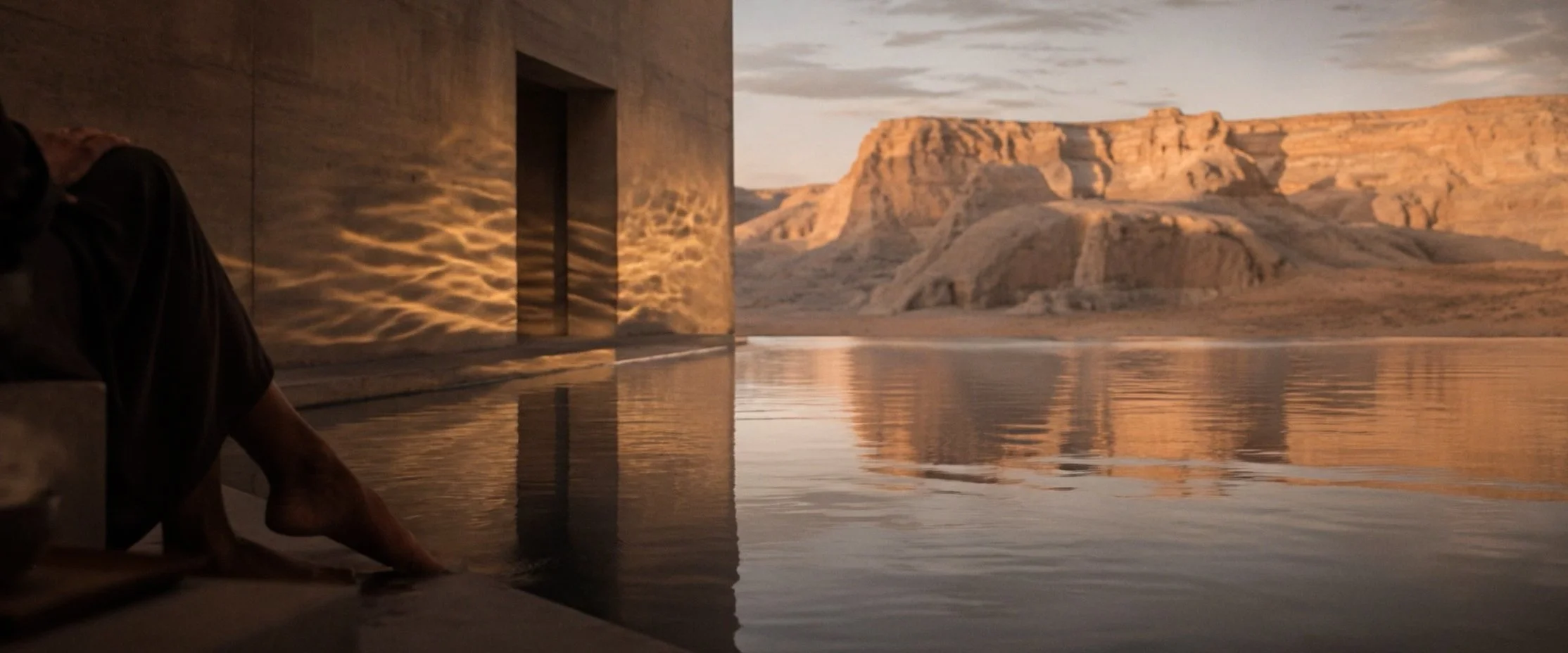
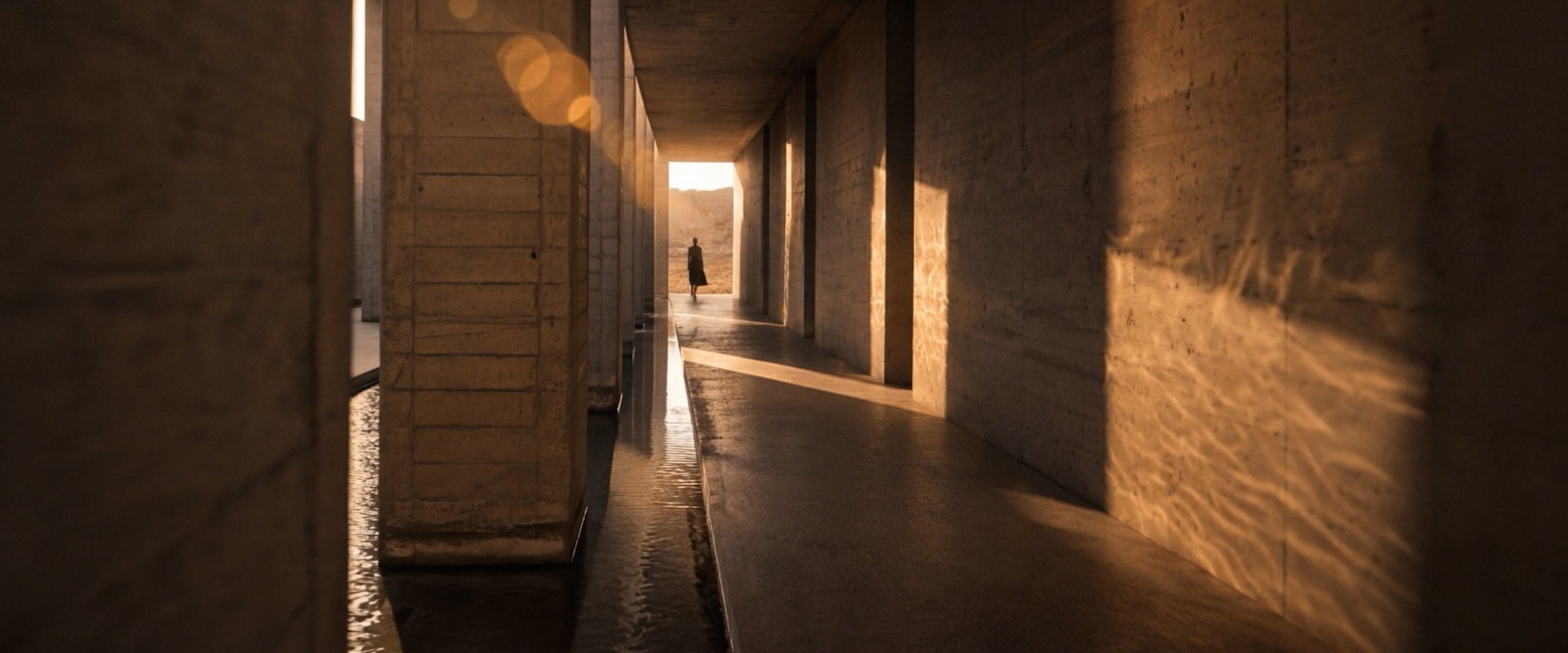
My background in advertising, marketing and filmmaking brings a very different perspective to AI driven luxury content. The value is not simply in creating a beautiful image, but in understanding what that image is meant to make someone feel, remember and desire. For hospitality and travel brands, that distinction is critical. The strongest campaigns do not merely show a destination, a suite or a landscape. They create an emotional promise around the experience itself: privacy, escape, intimacy, discovery, status, serenity, or belonging. That strategic understanding is what separates image creation from brand storytelling. In the Amangiri project, AI becomes a tool for shaping that emotional world with extraordinary flexibility. It allows campaigns to be previsualized, refined and tested before traditional production begins, giving creative and marketing teams a far clearer sense of tone, cinematography, pacing, casting and messaging. It can also extend the life of a campaign by creating highly targeted ongoing content for different seasons, experiences and audience segments while remaining faithful to the brand’s visual identity. The goal is not simply to produce more imagery. It is to create a deeper emotional connection between the brand and the consumer, because in luxury hospitality, the image is only the surface. What matters is the feeling behind it.
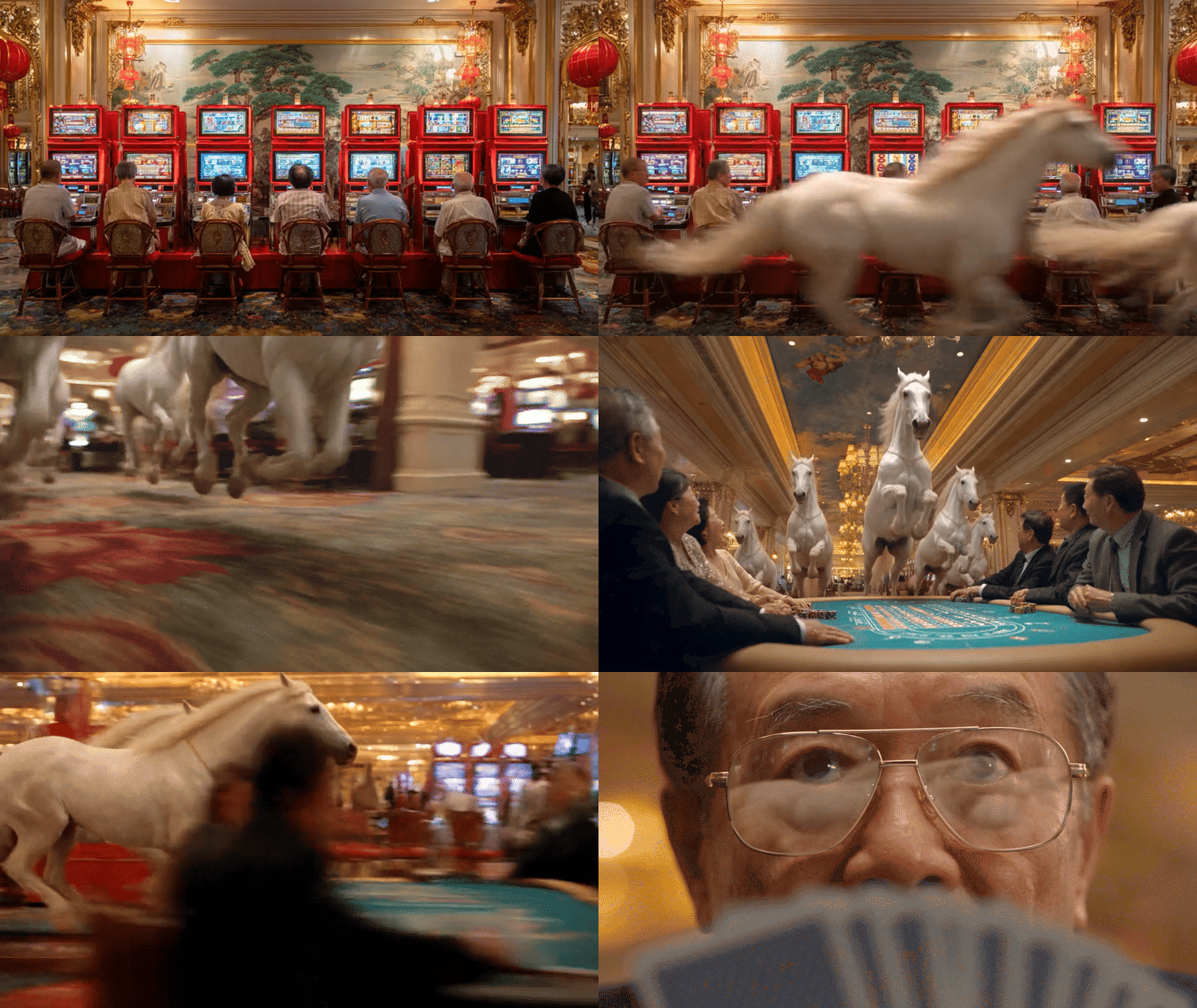
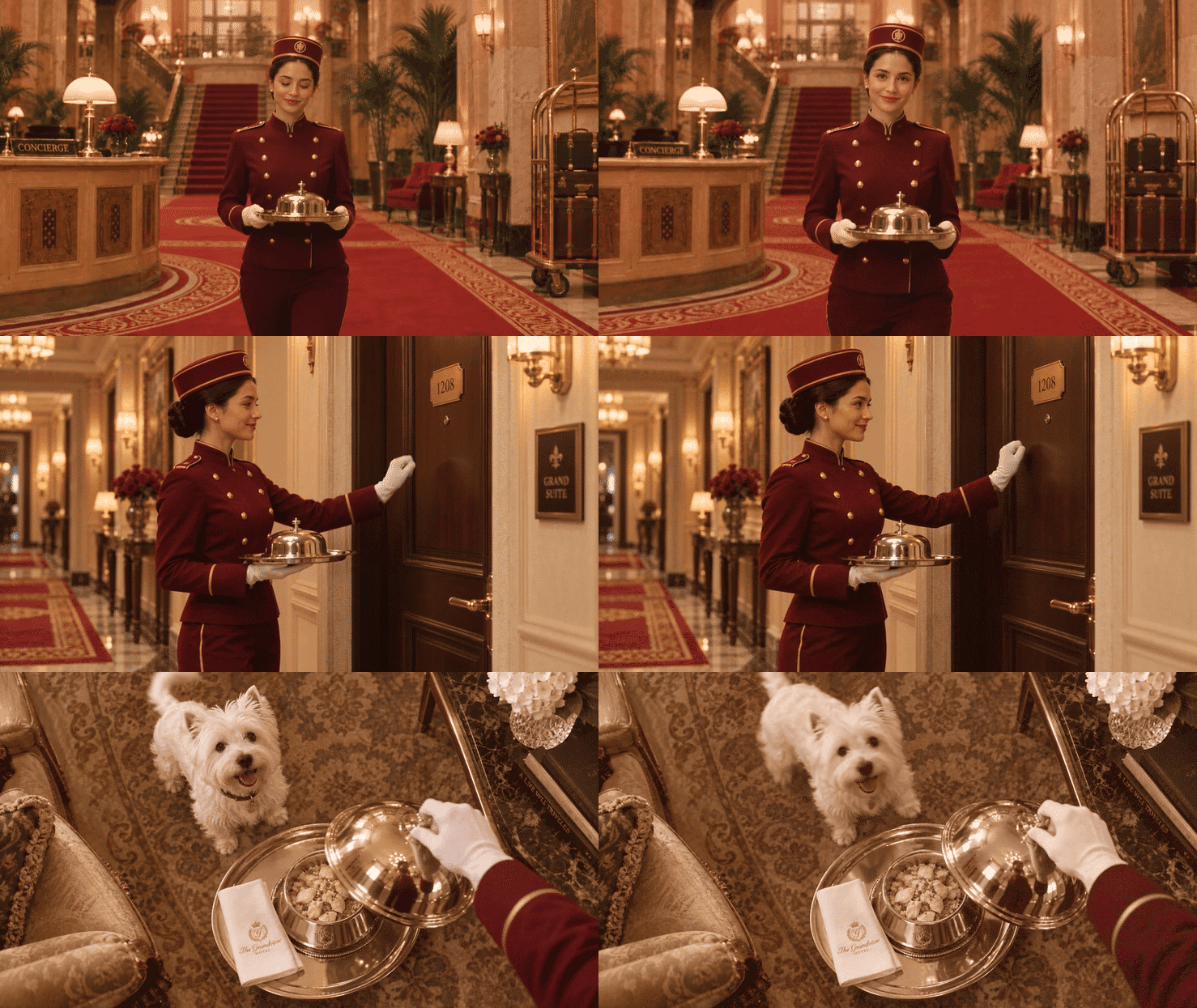
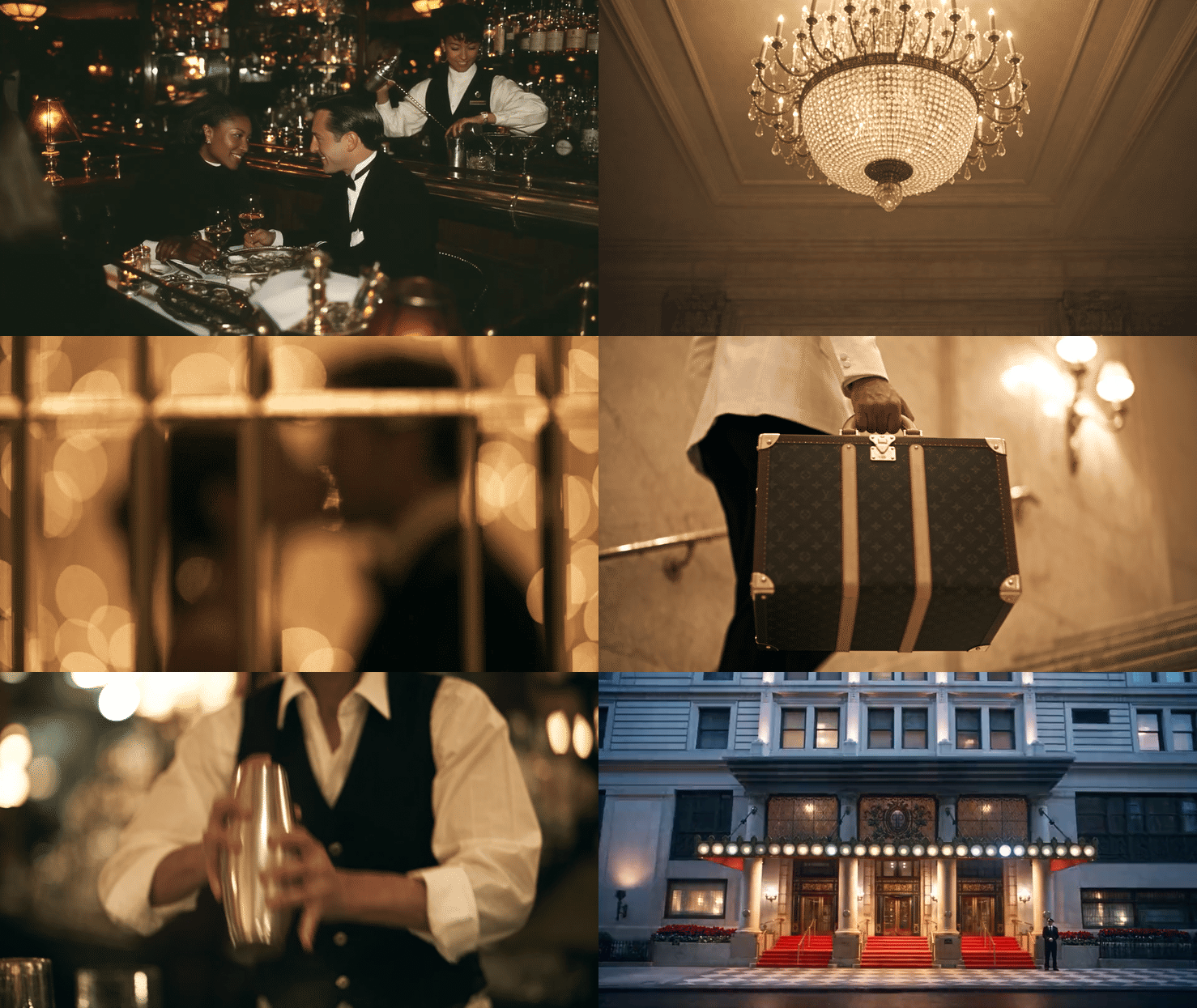


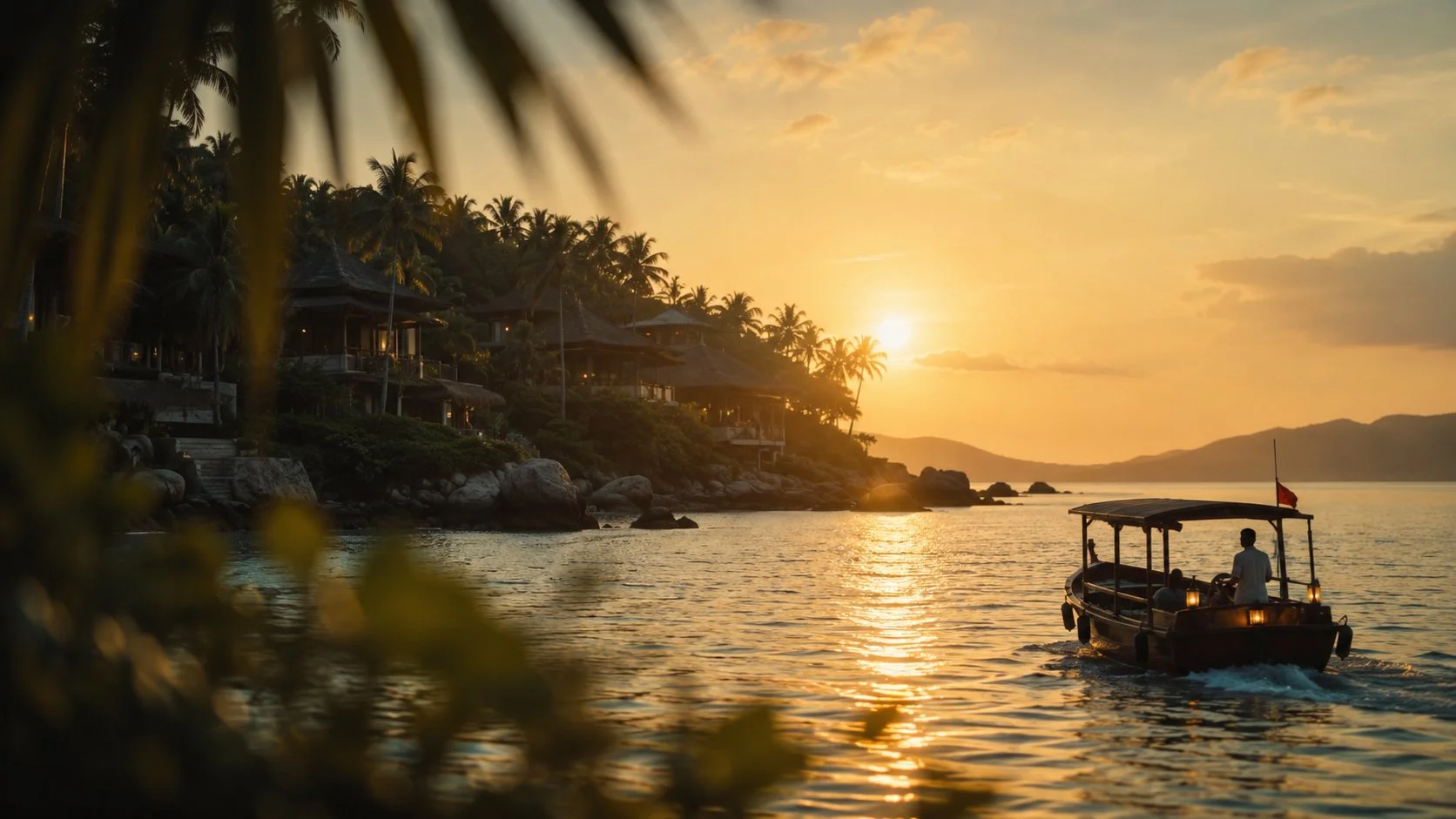
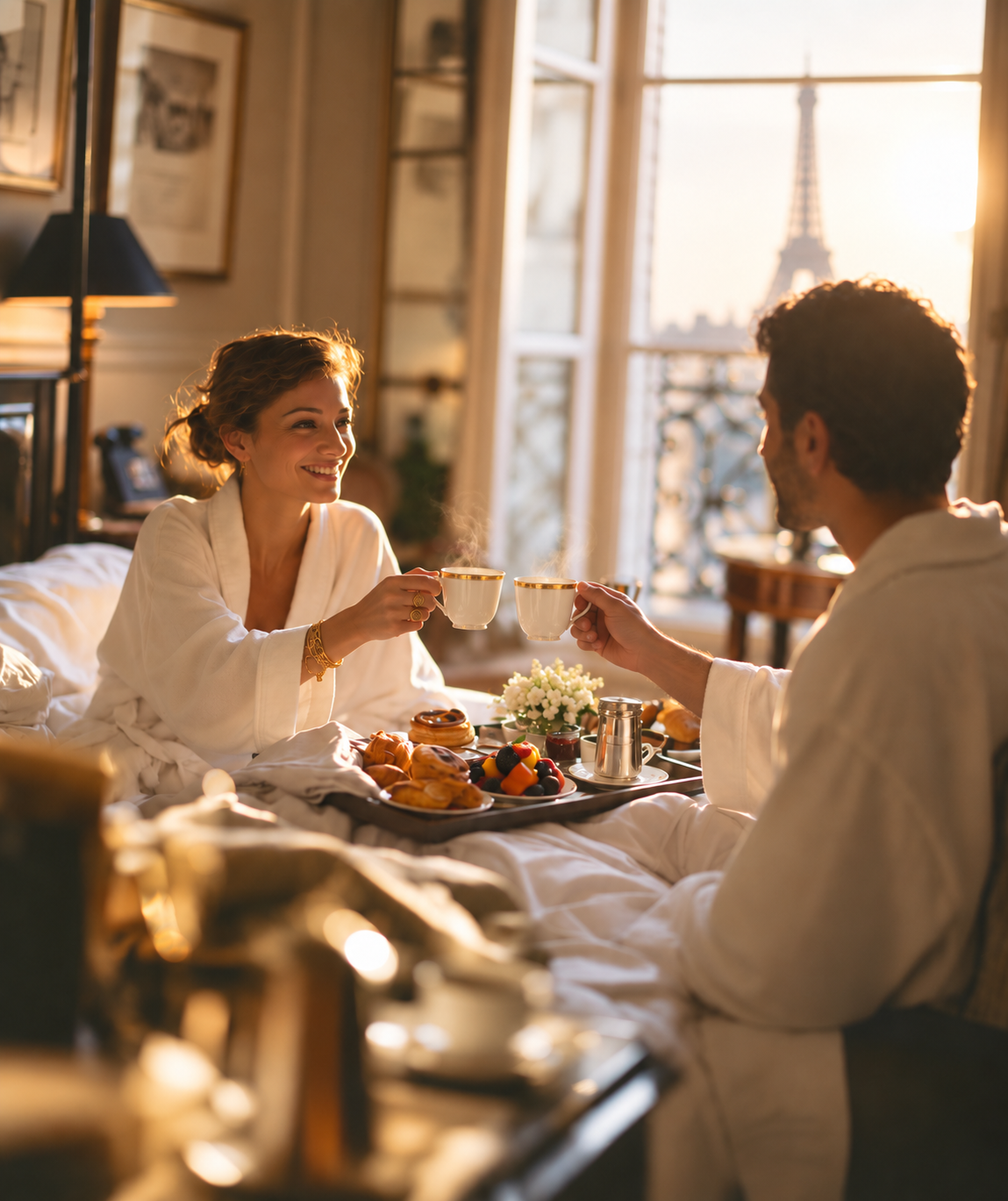

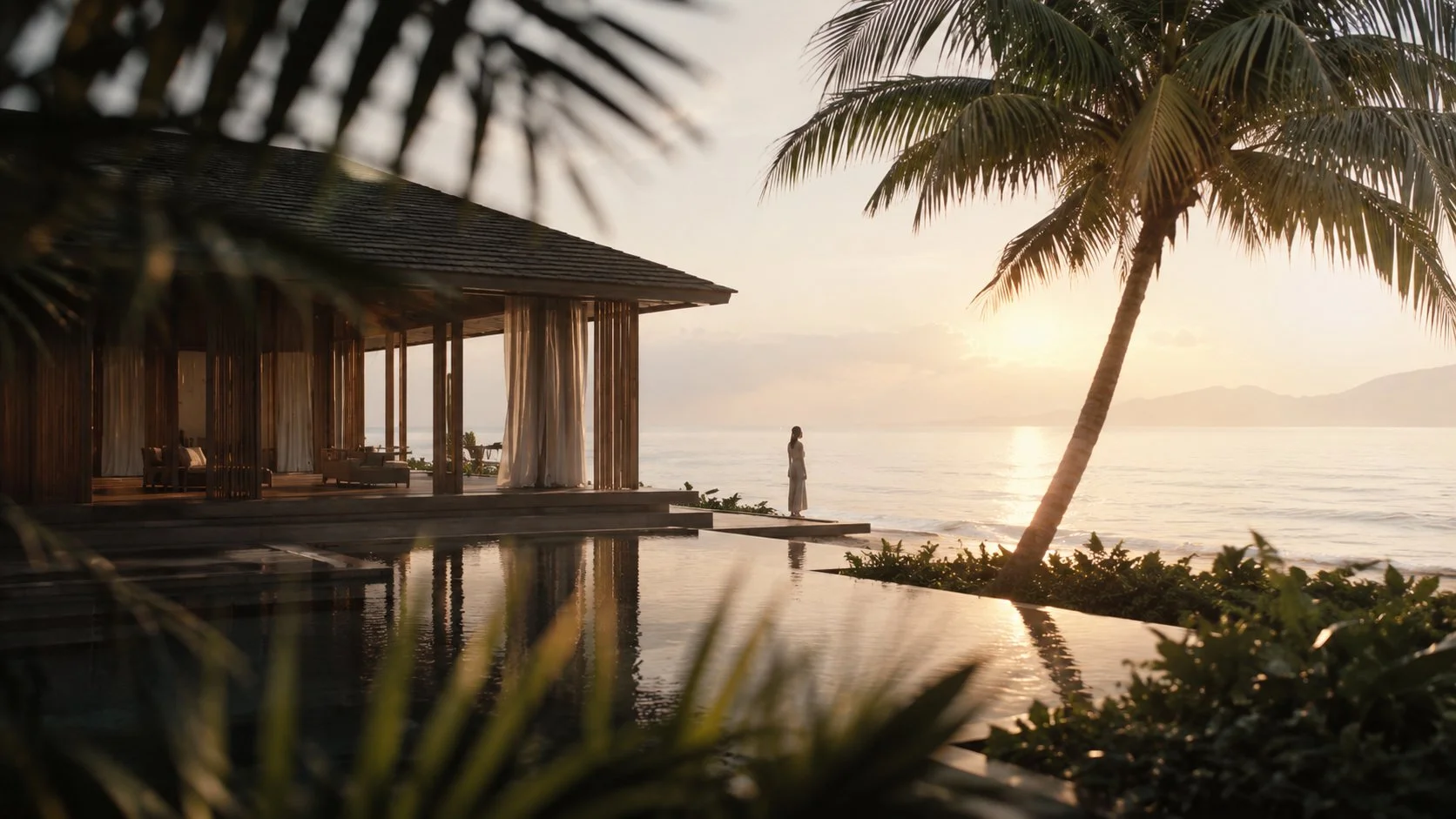

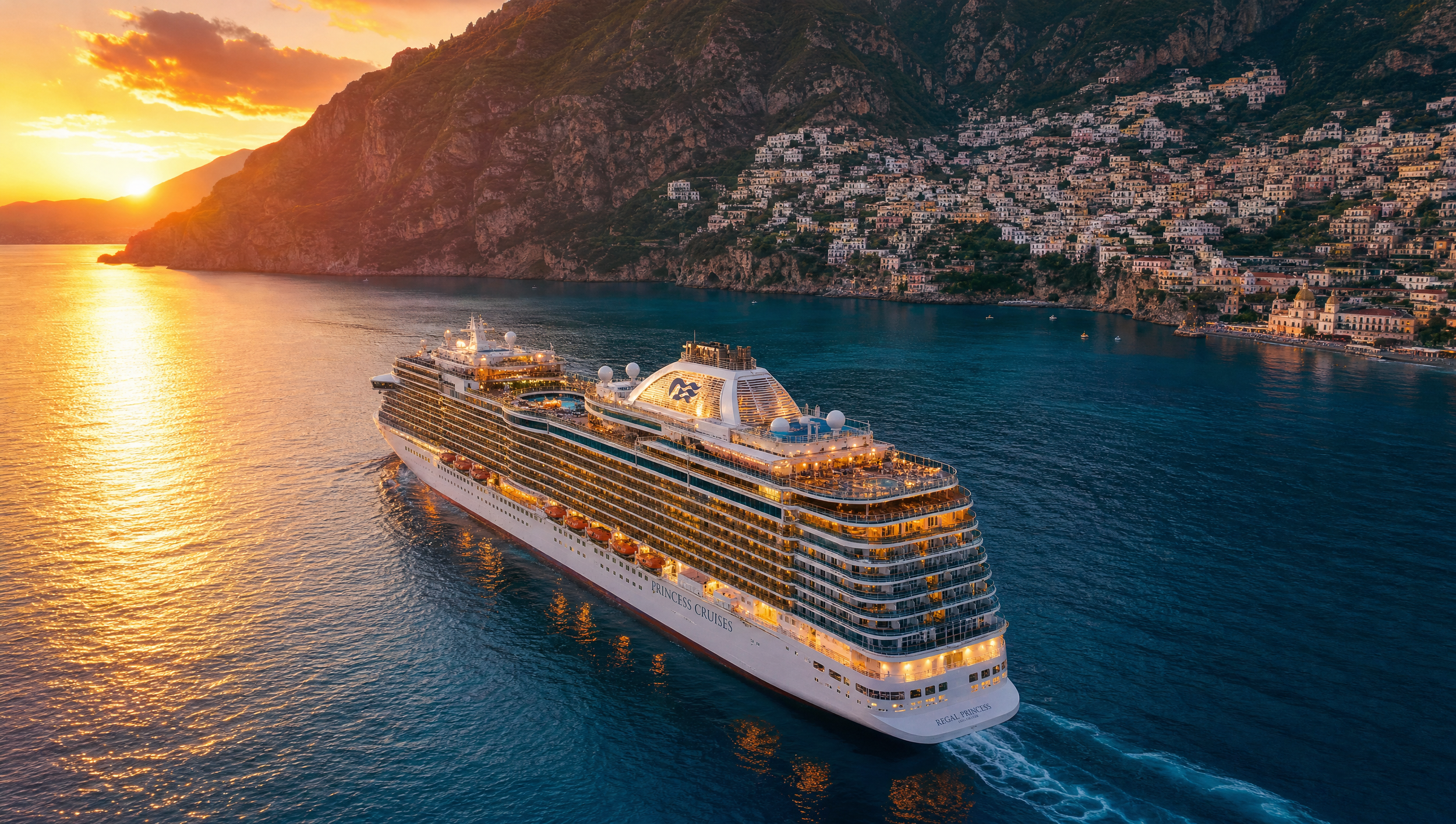



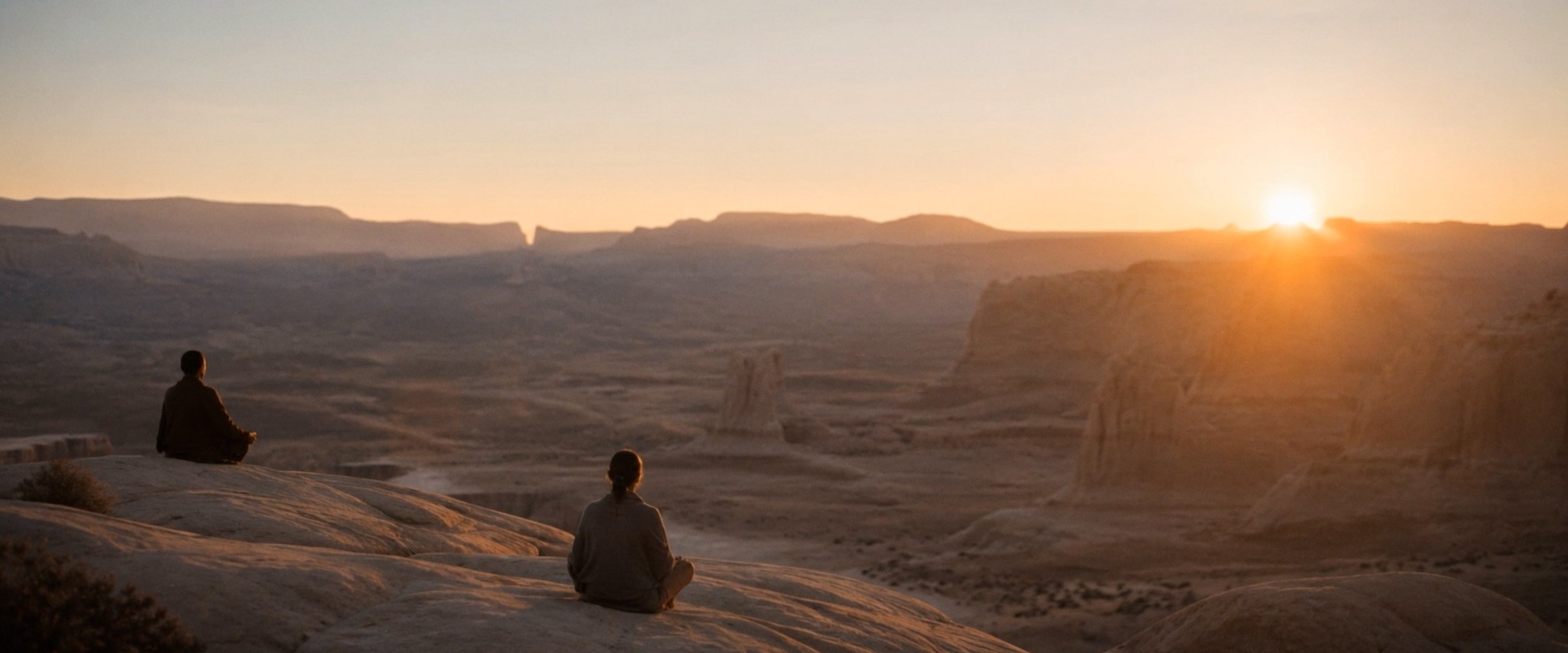
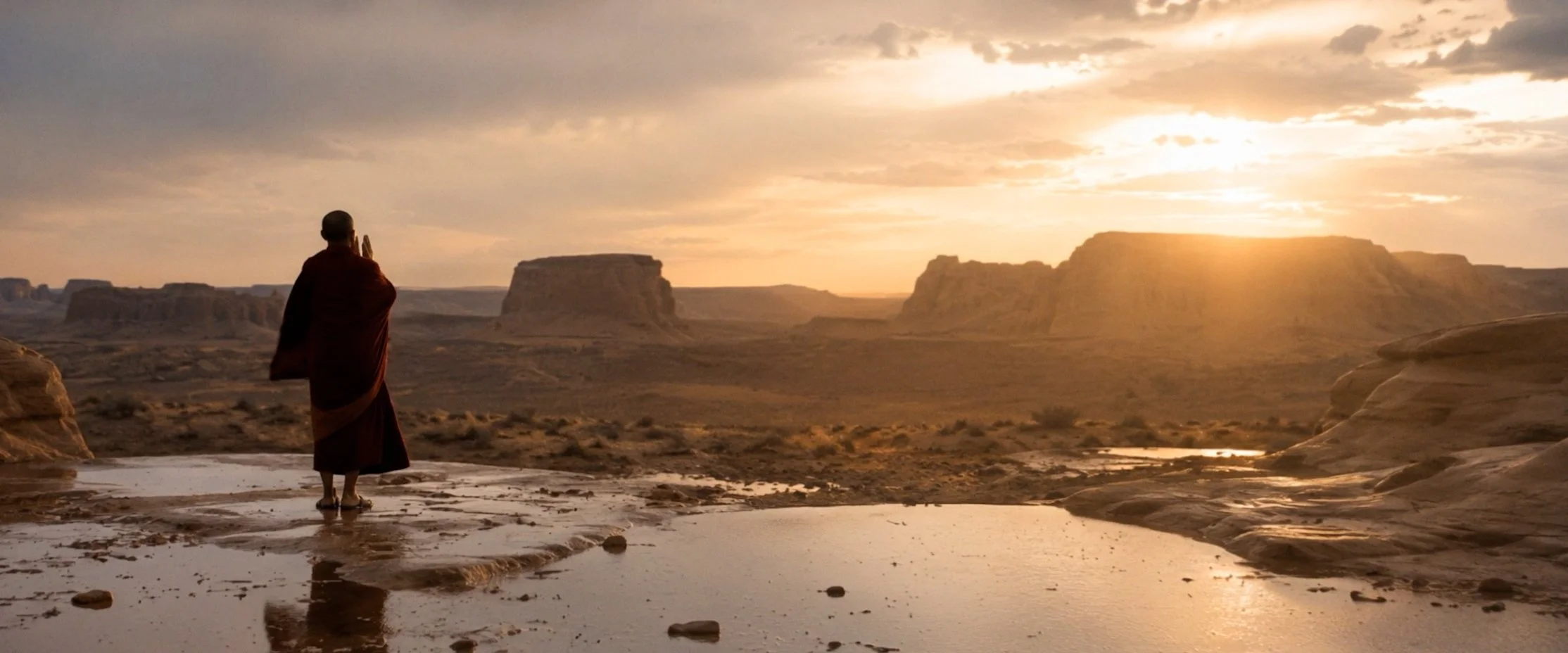
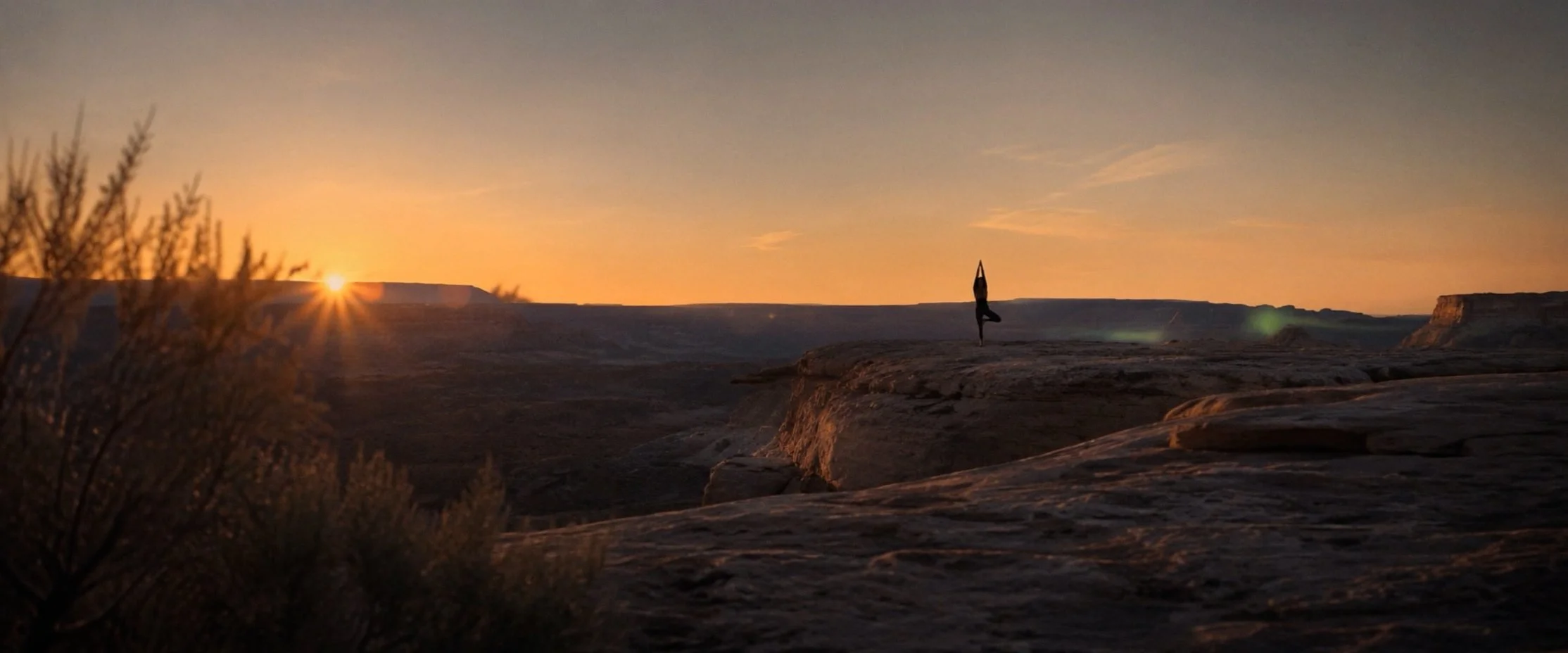
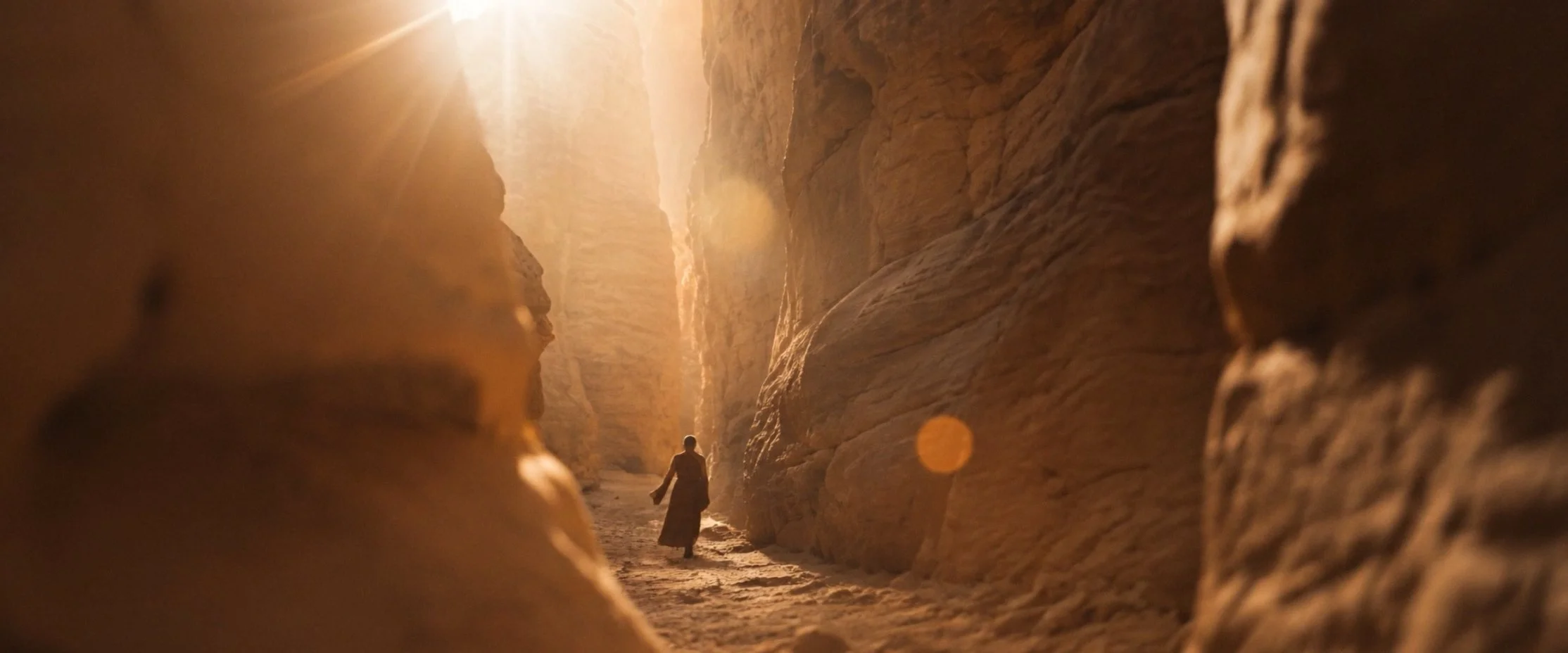
Amangiri’s recurring “Longevity Powered by Nature” retreat, led by Buddhist monk Geshe Yong Dong, shows how even a single luxury property can speak to highly specific guest interests, from mindfulness and spiritual renewal to wellness and longevity. AI makes it possible to create equally specific cinematic campaigns for those niche experiences, giving hospitality brands a way to market not just the destination, but the individual reasons people are drawn to it.