ALONE
ART GIVES FORM TO THE THINGS WE CARRY INSIDE US
A love letter to the fragile, forgotten and beautiful parts of being human.
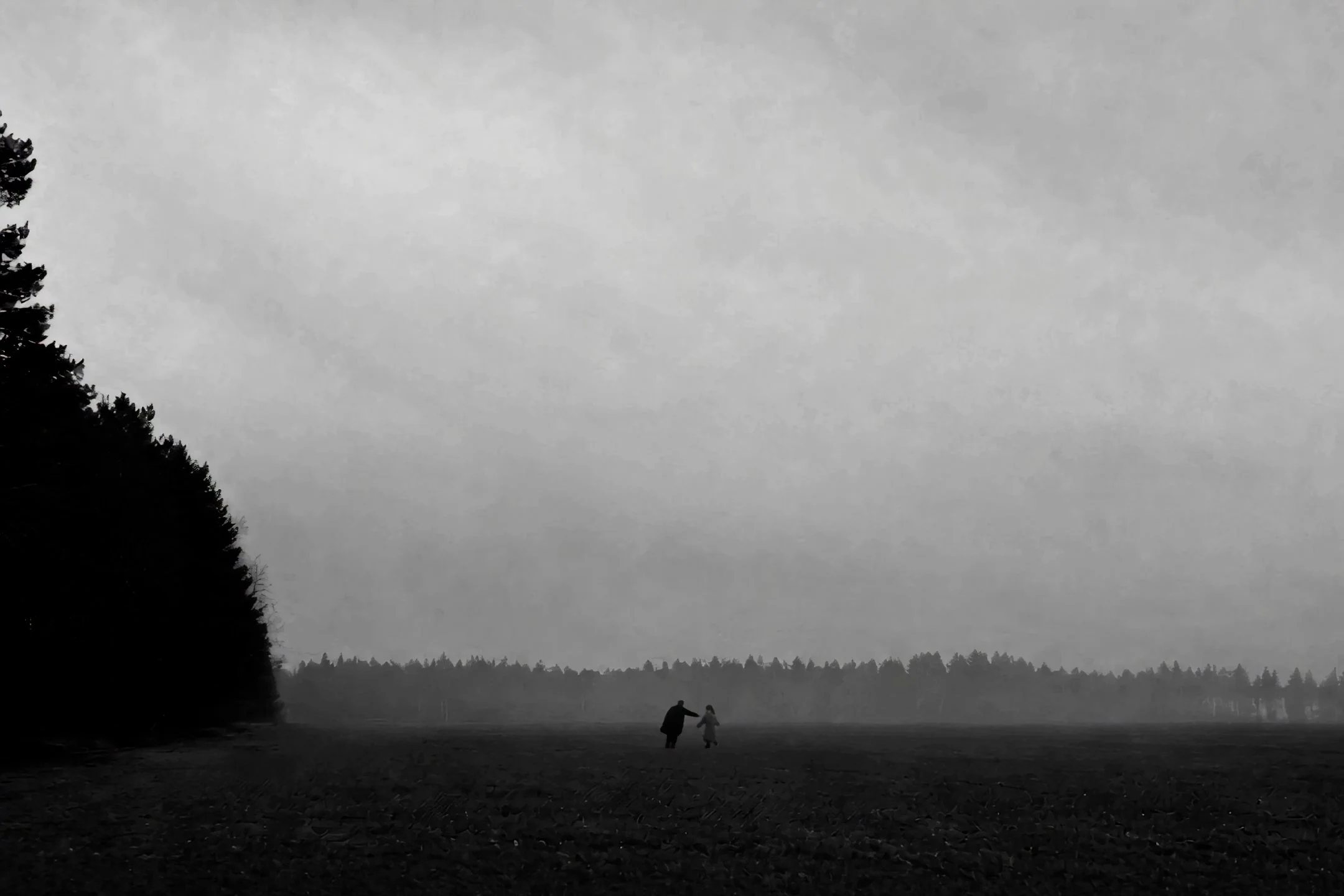
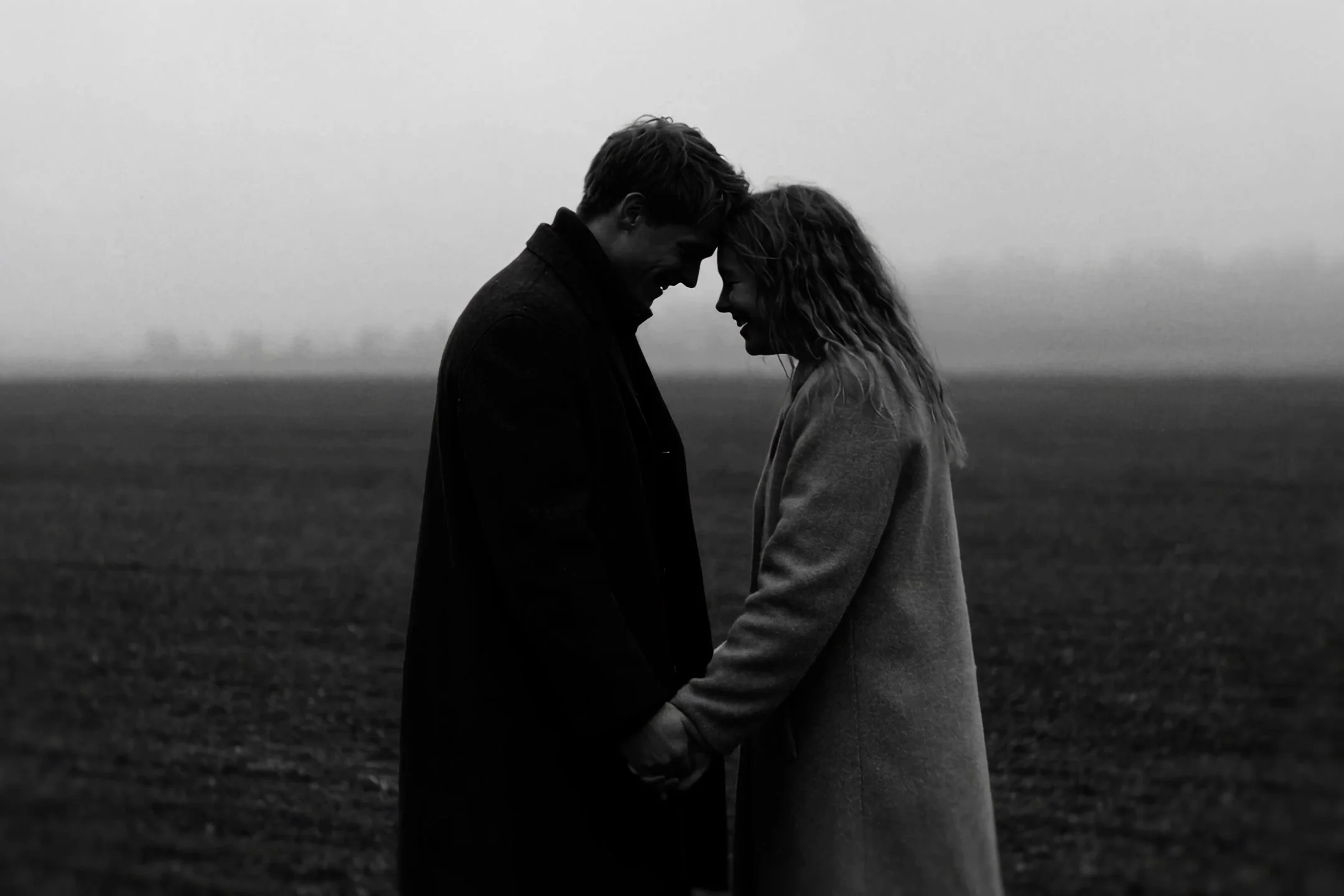
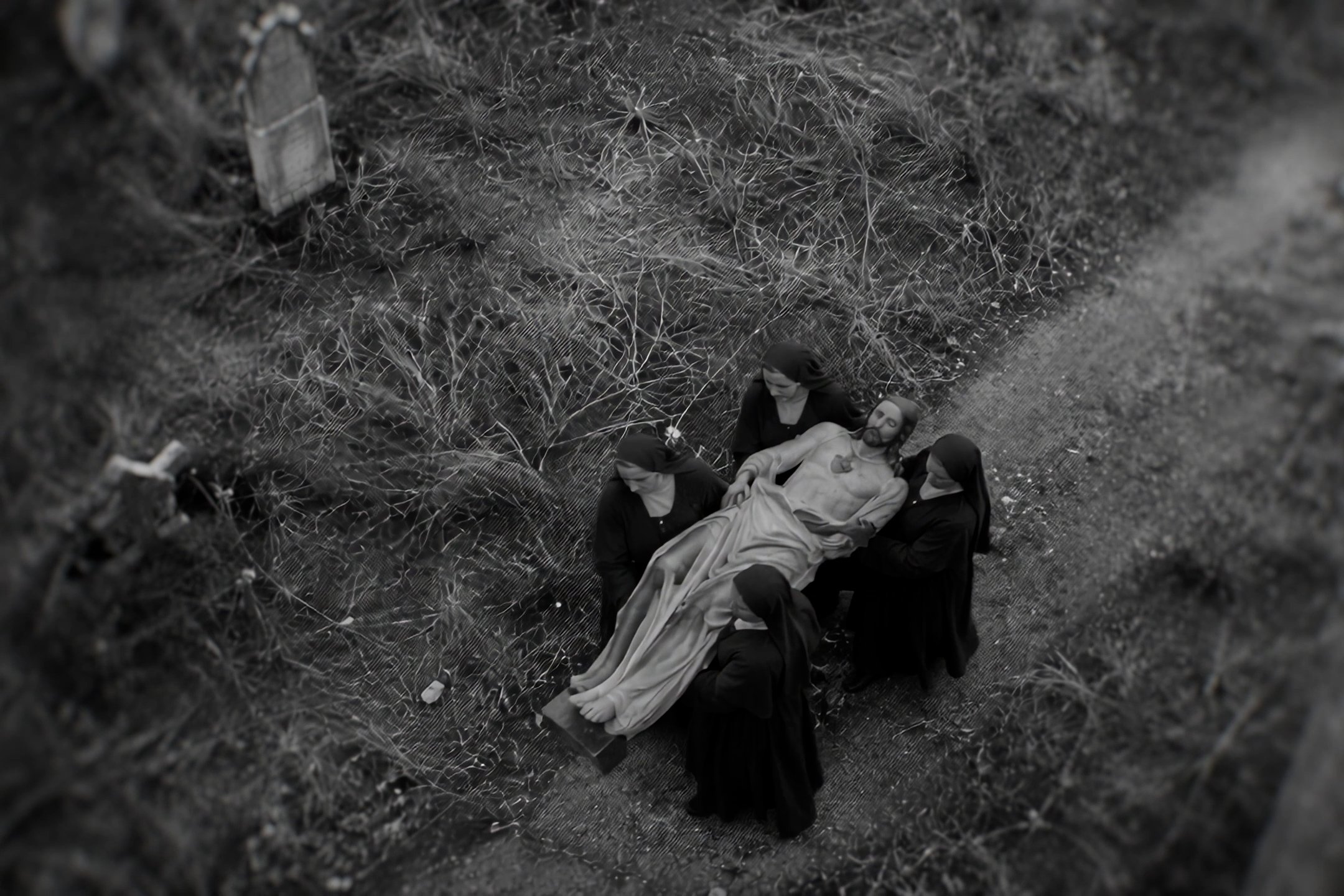
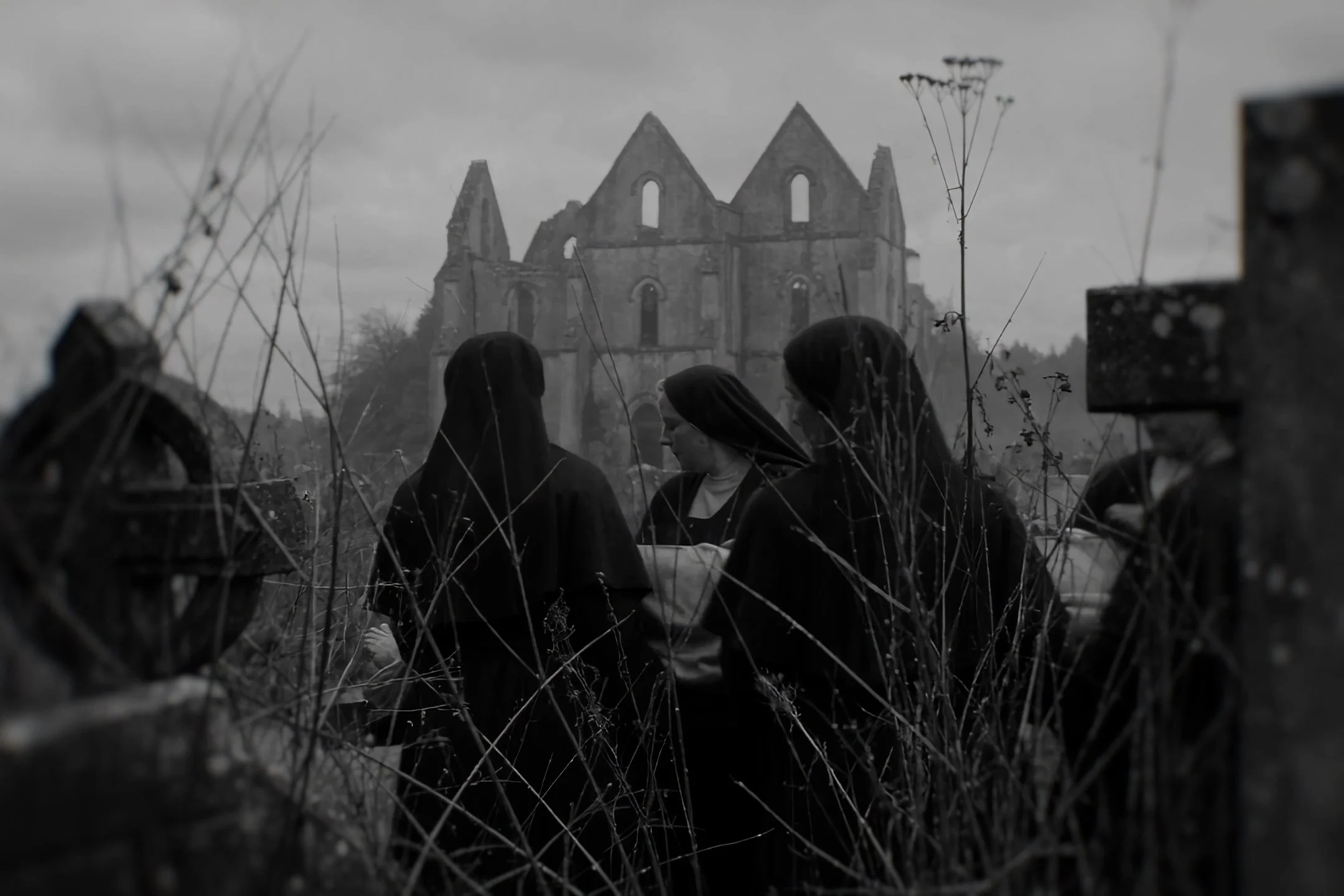
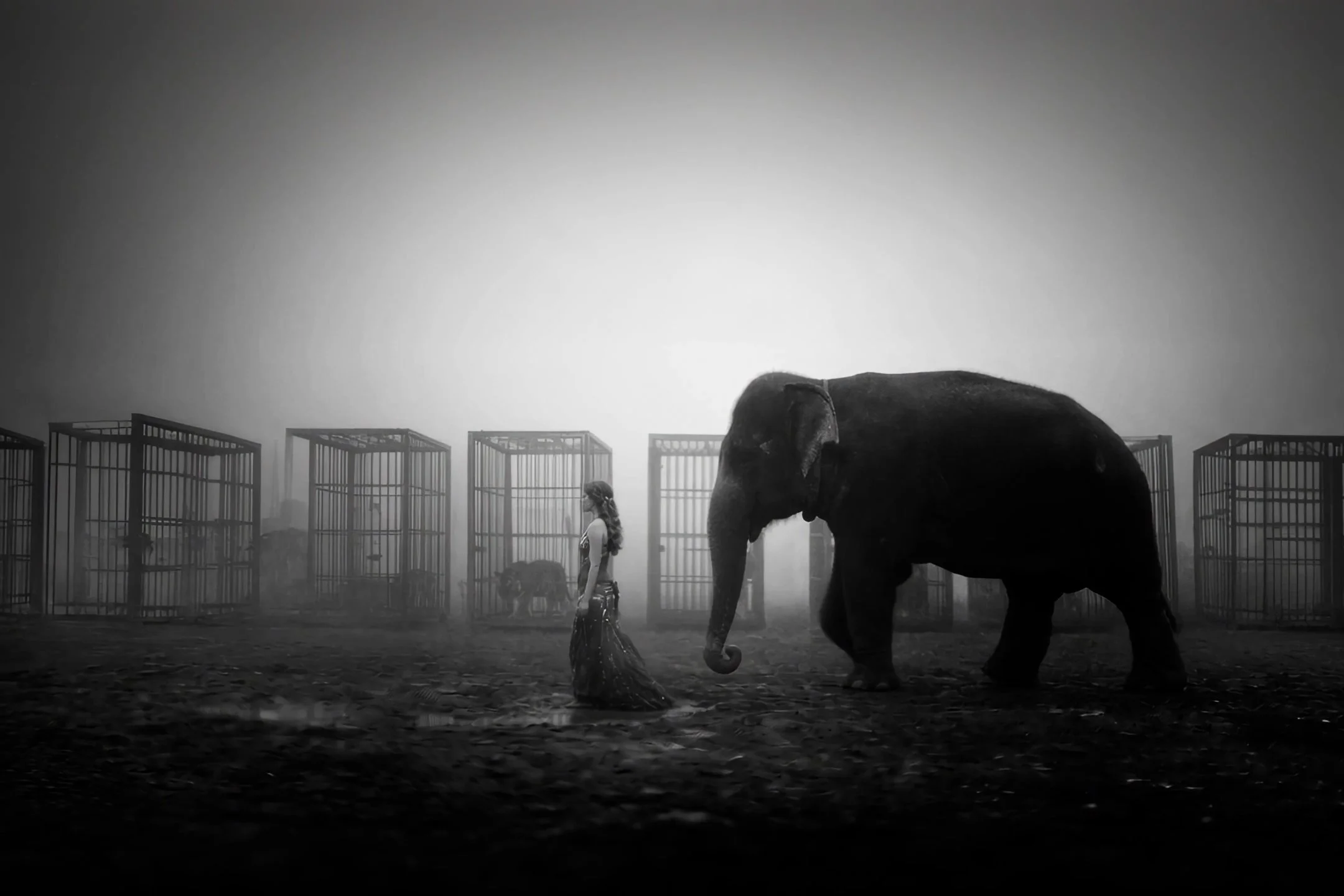
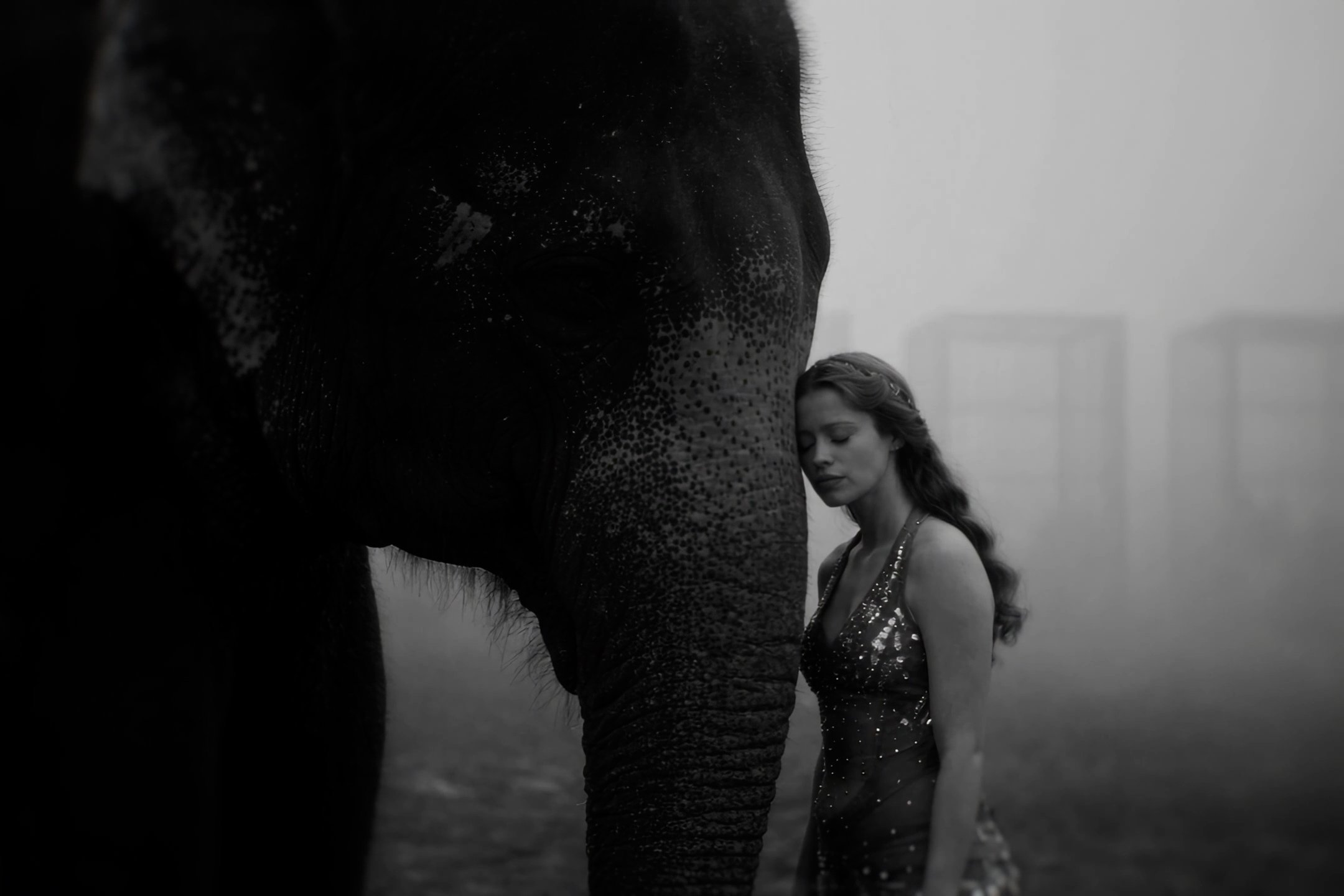
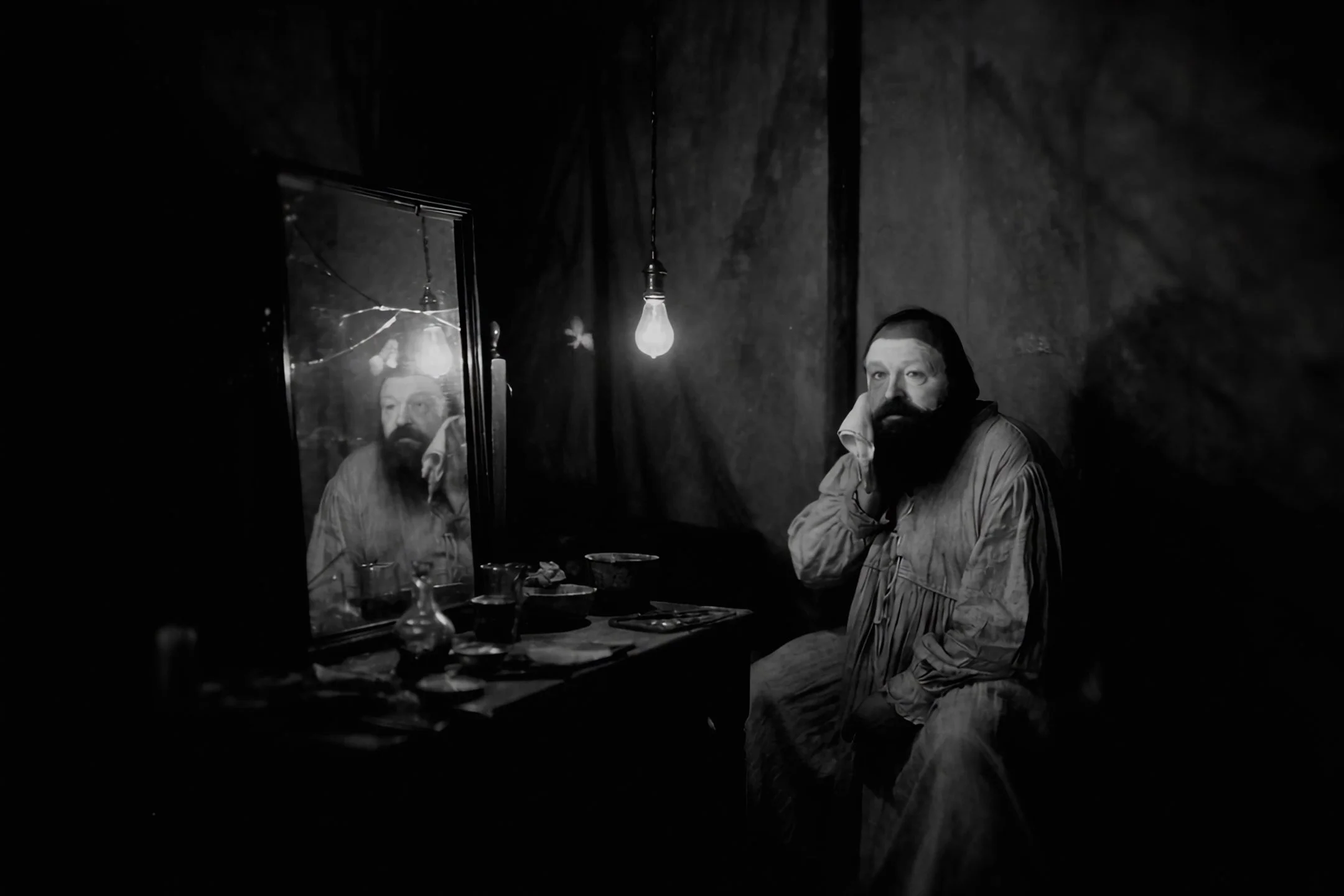
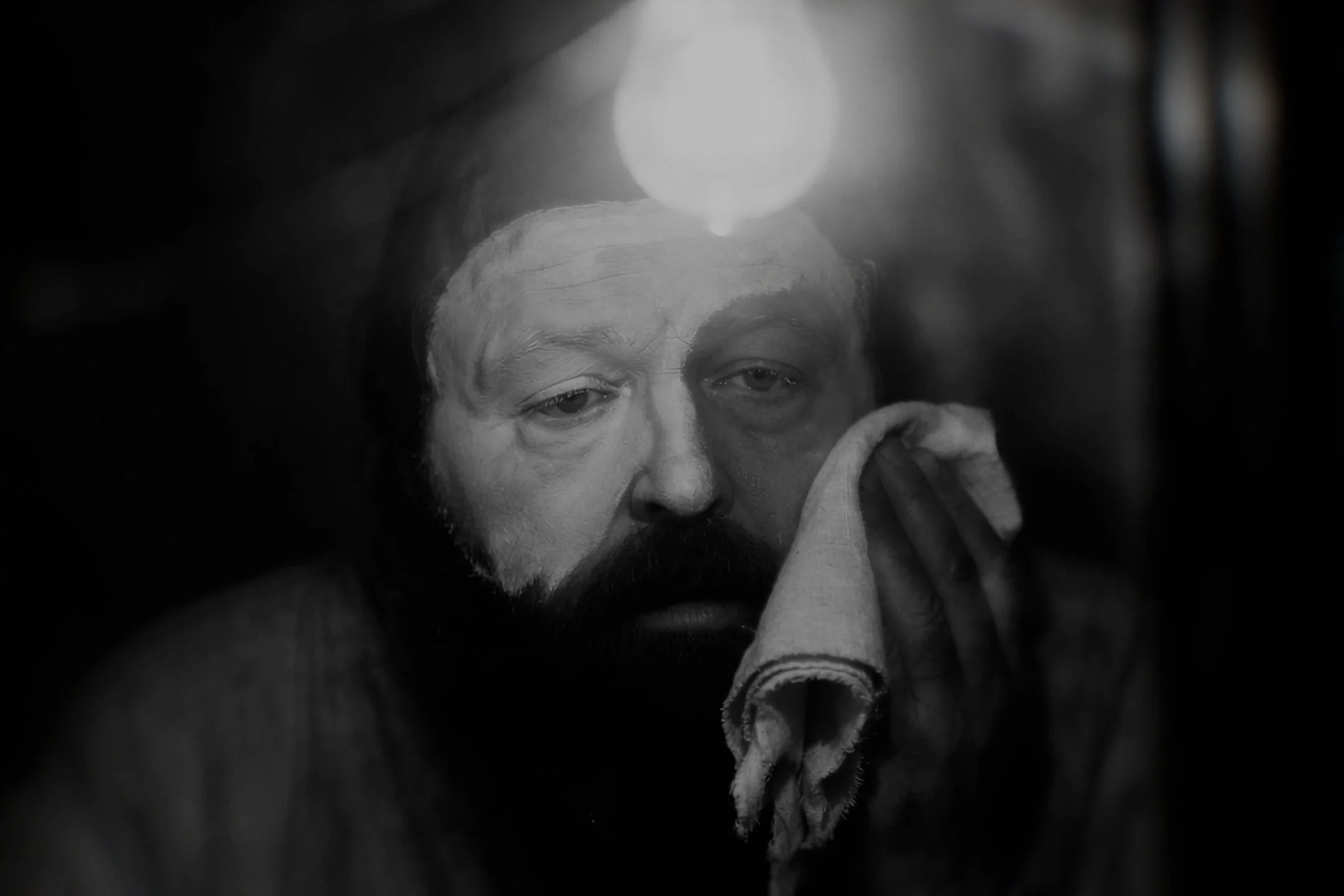
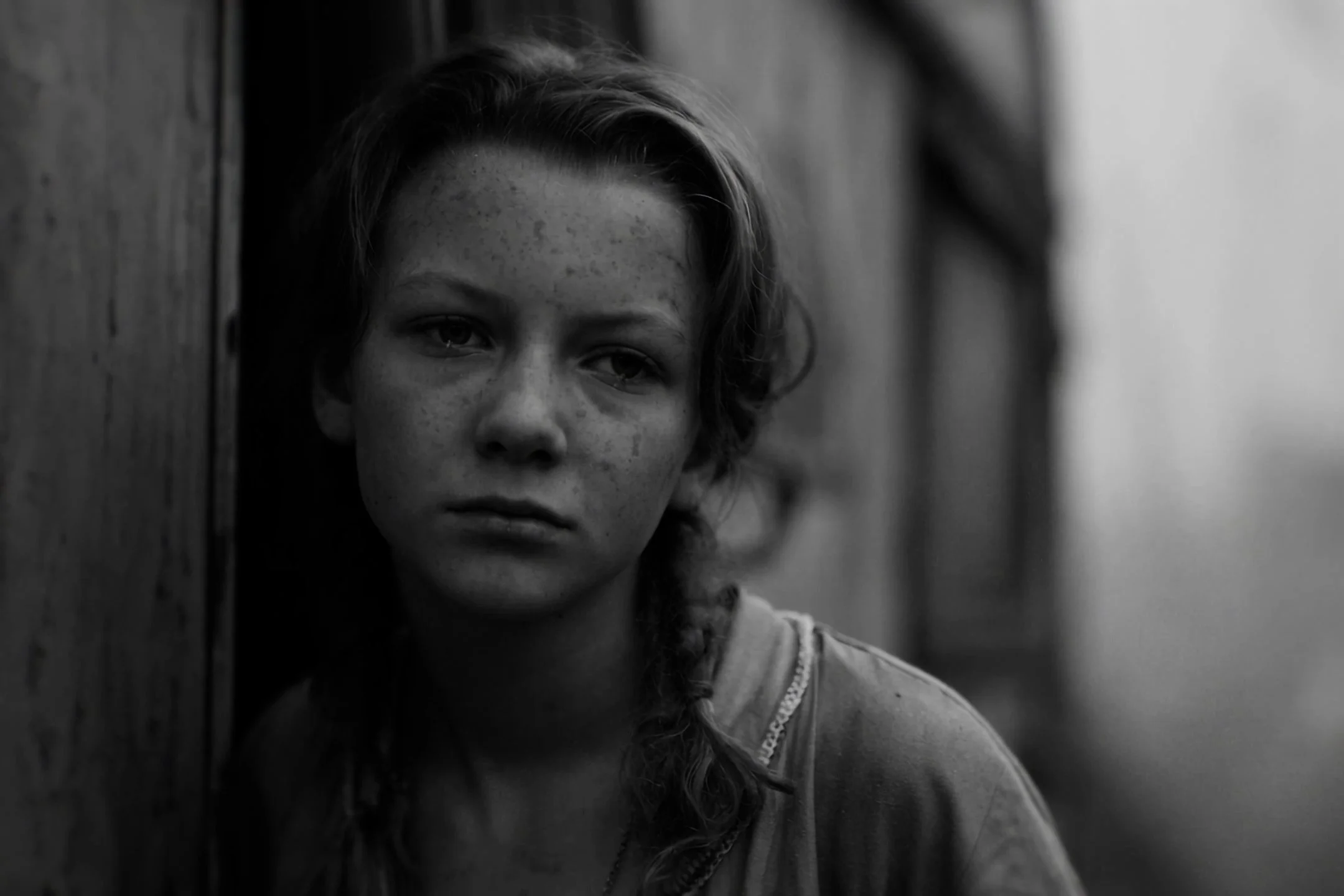
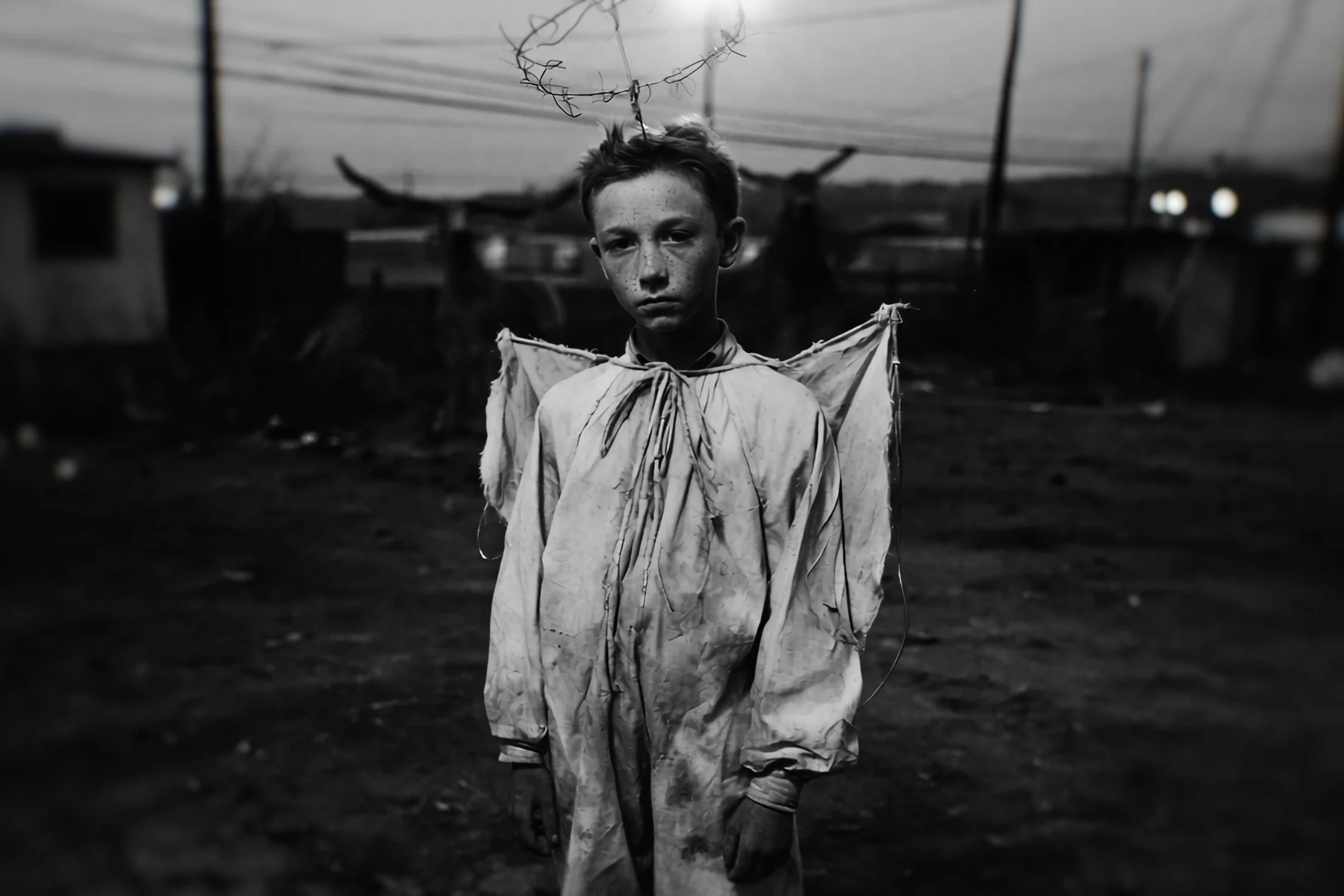
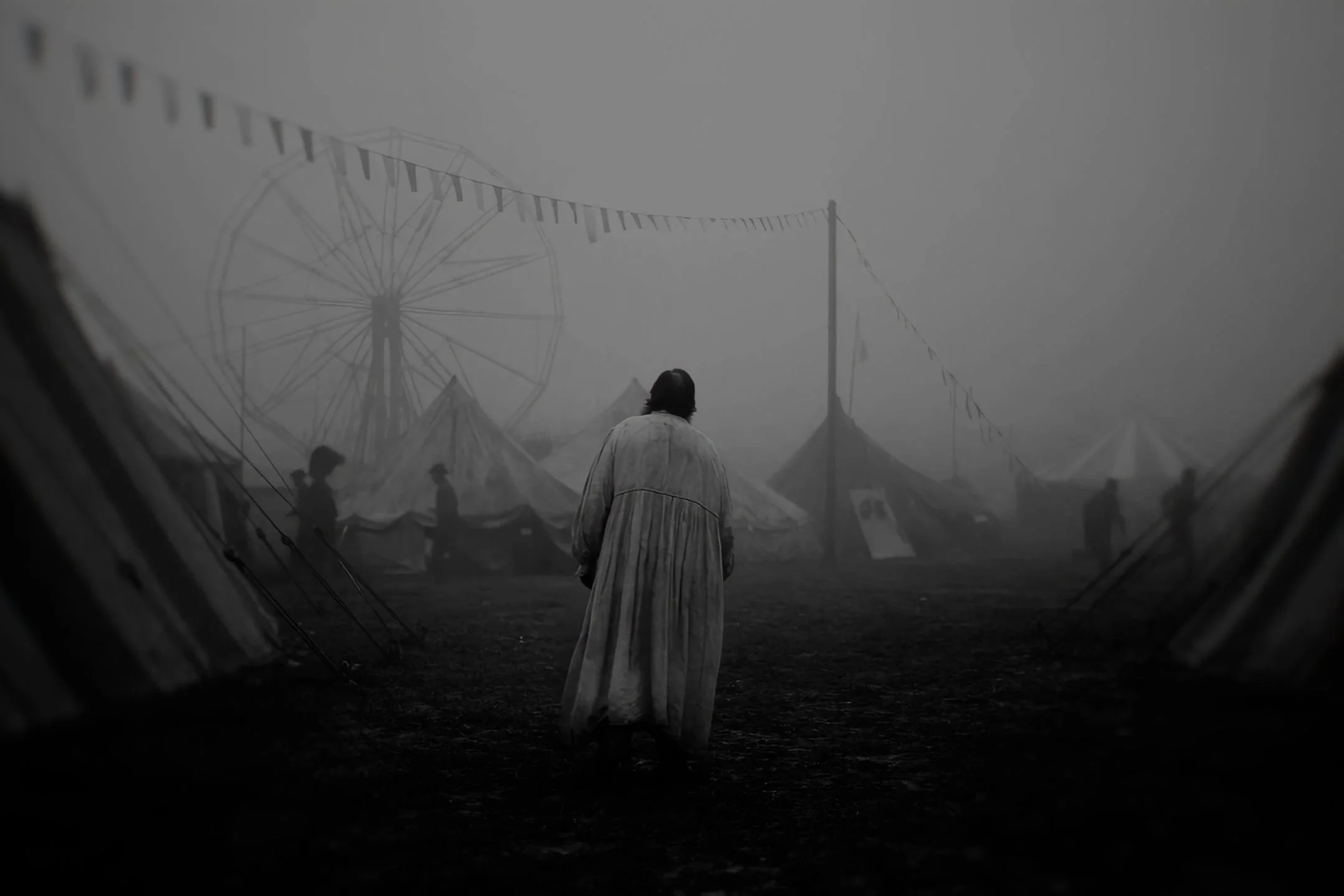
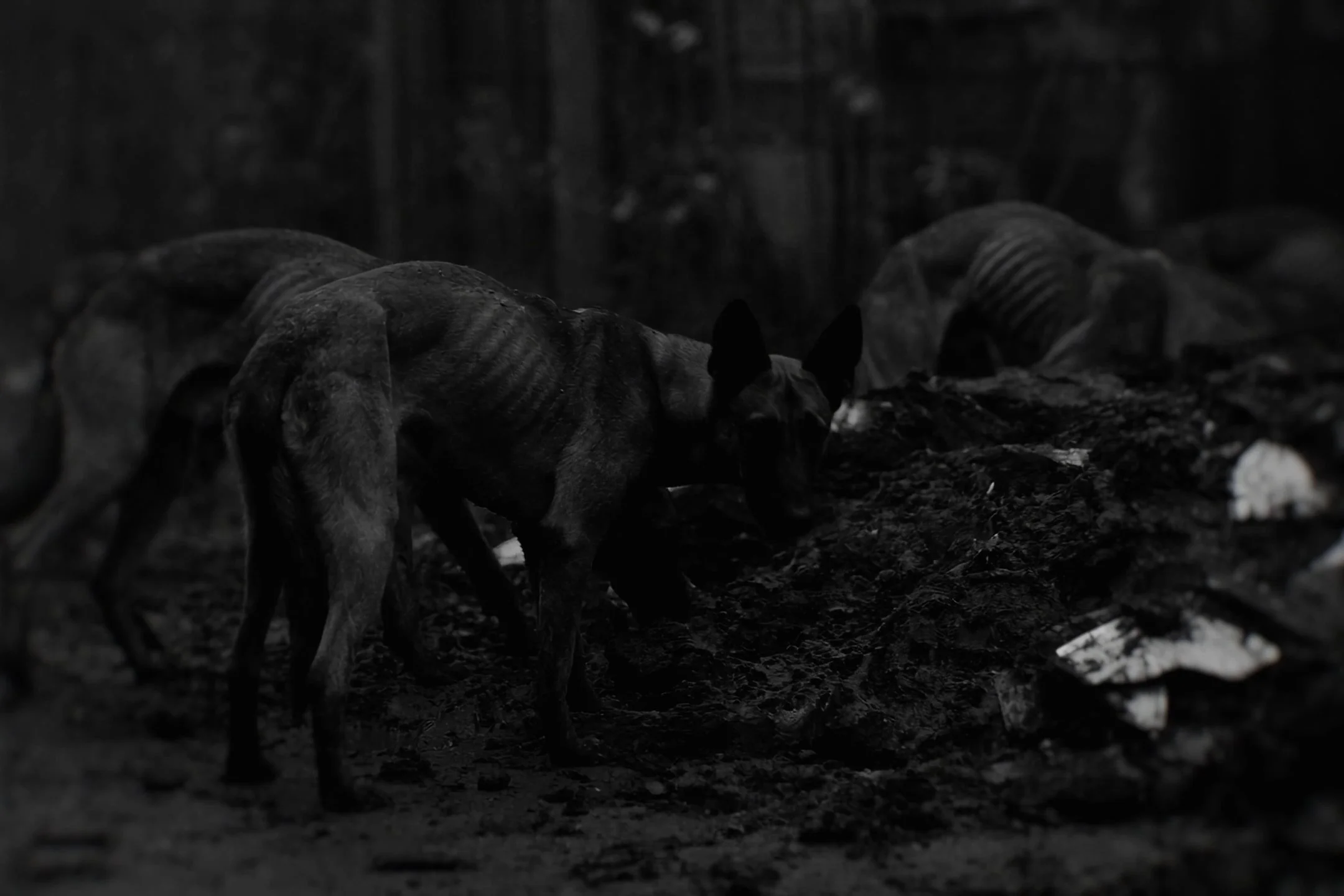
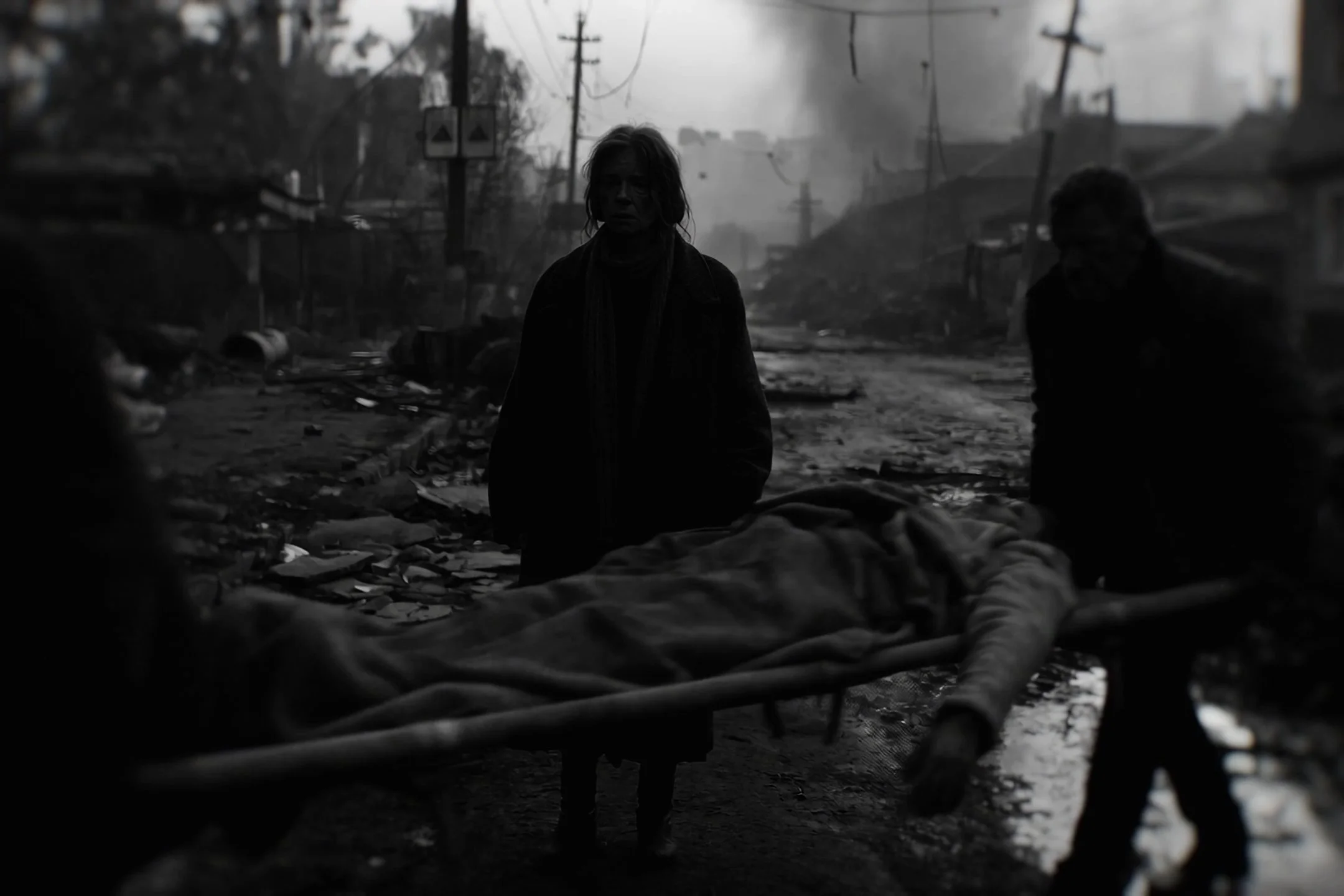
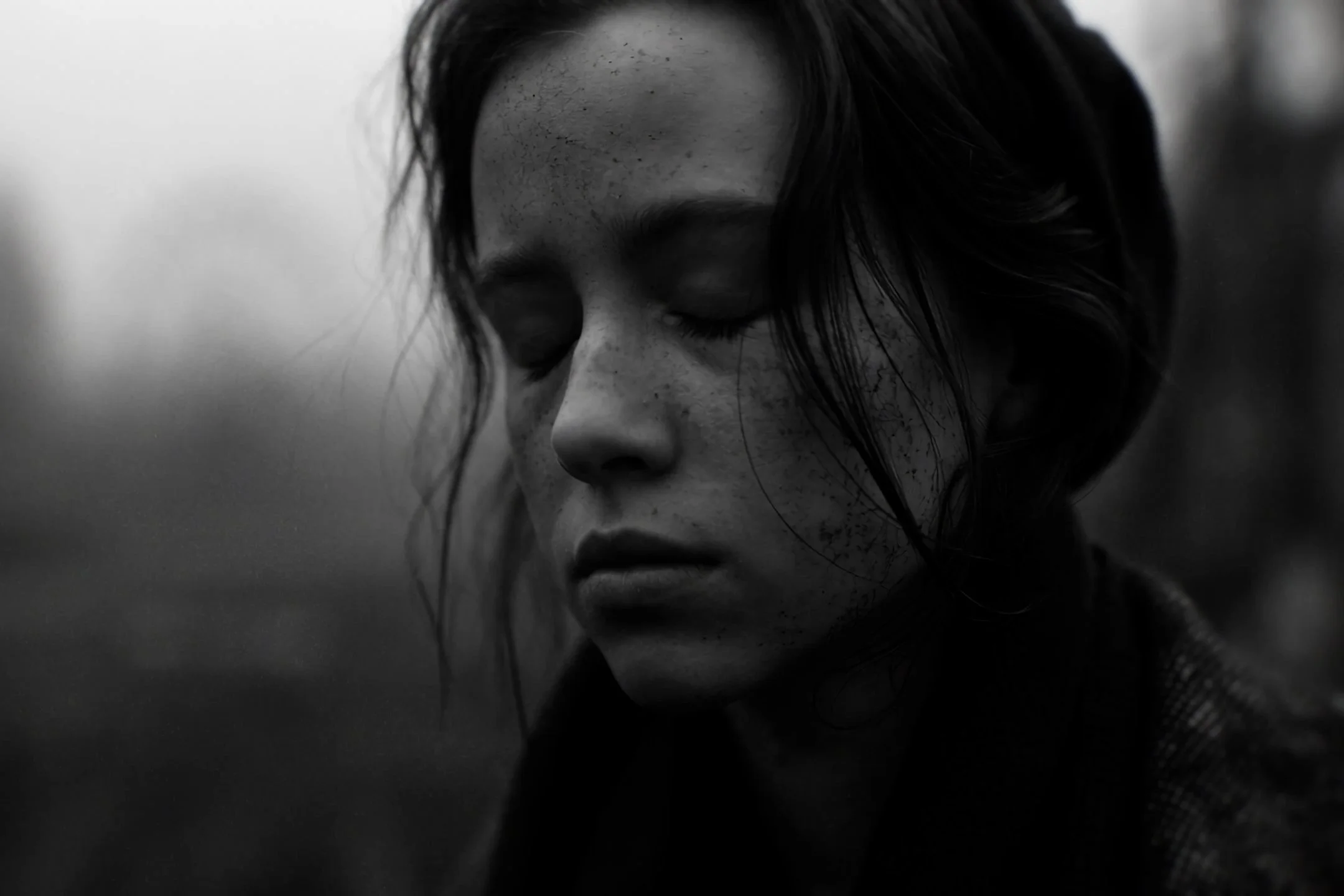
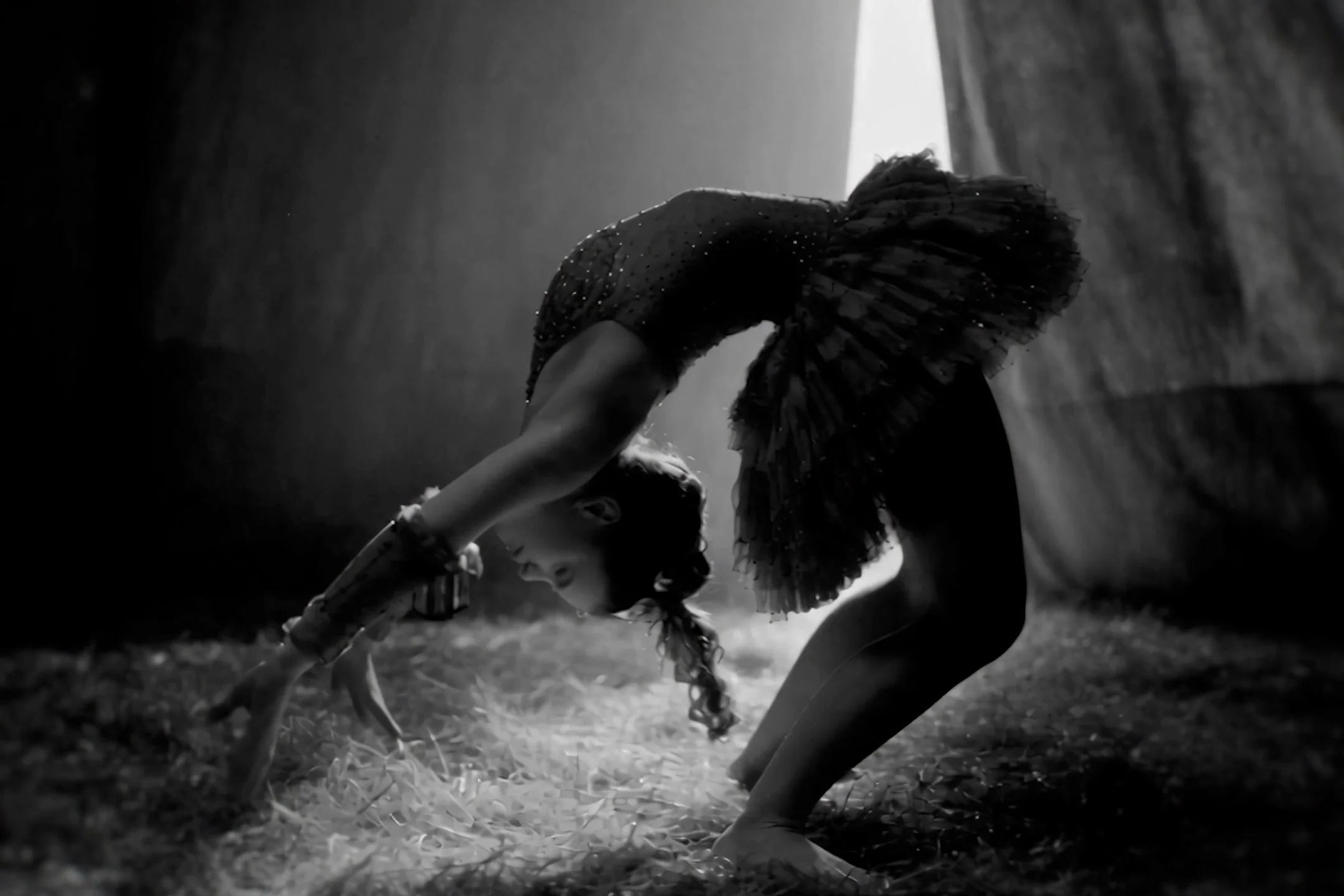
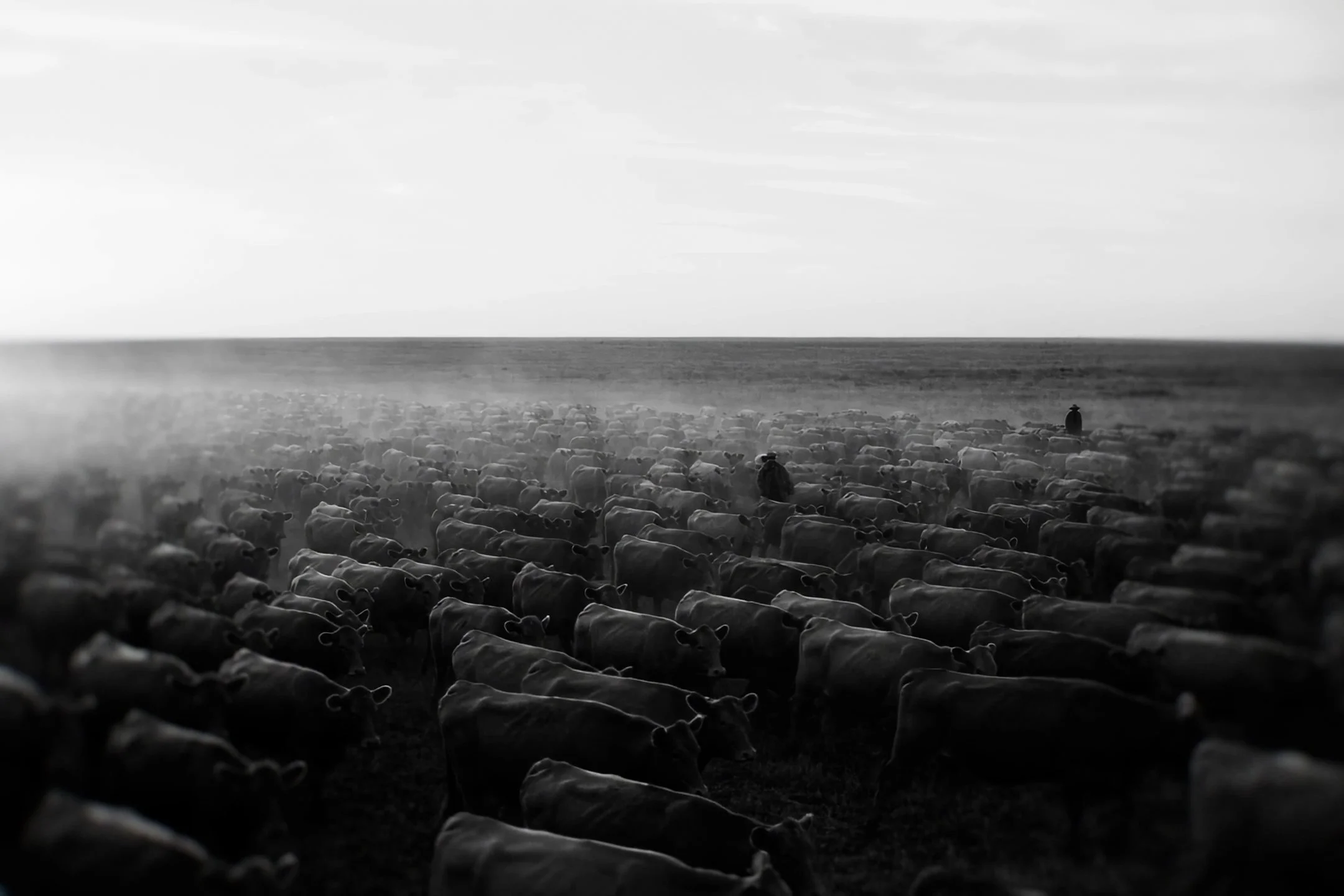
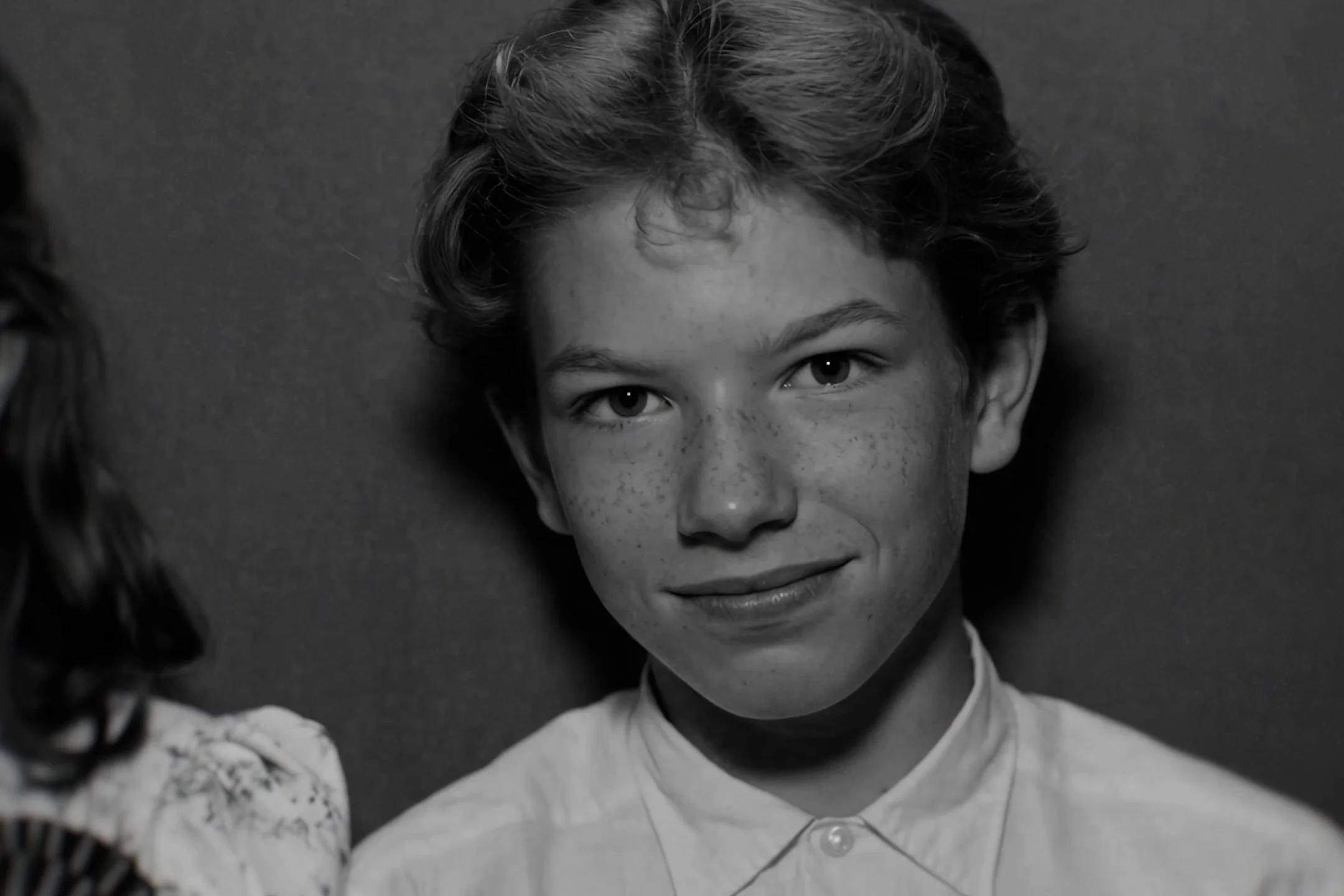
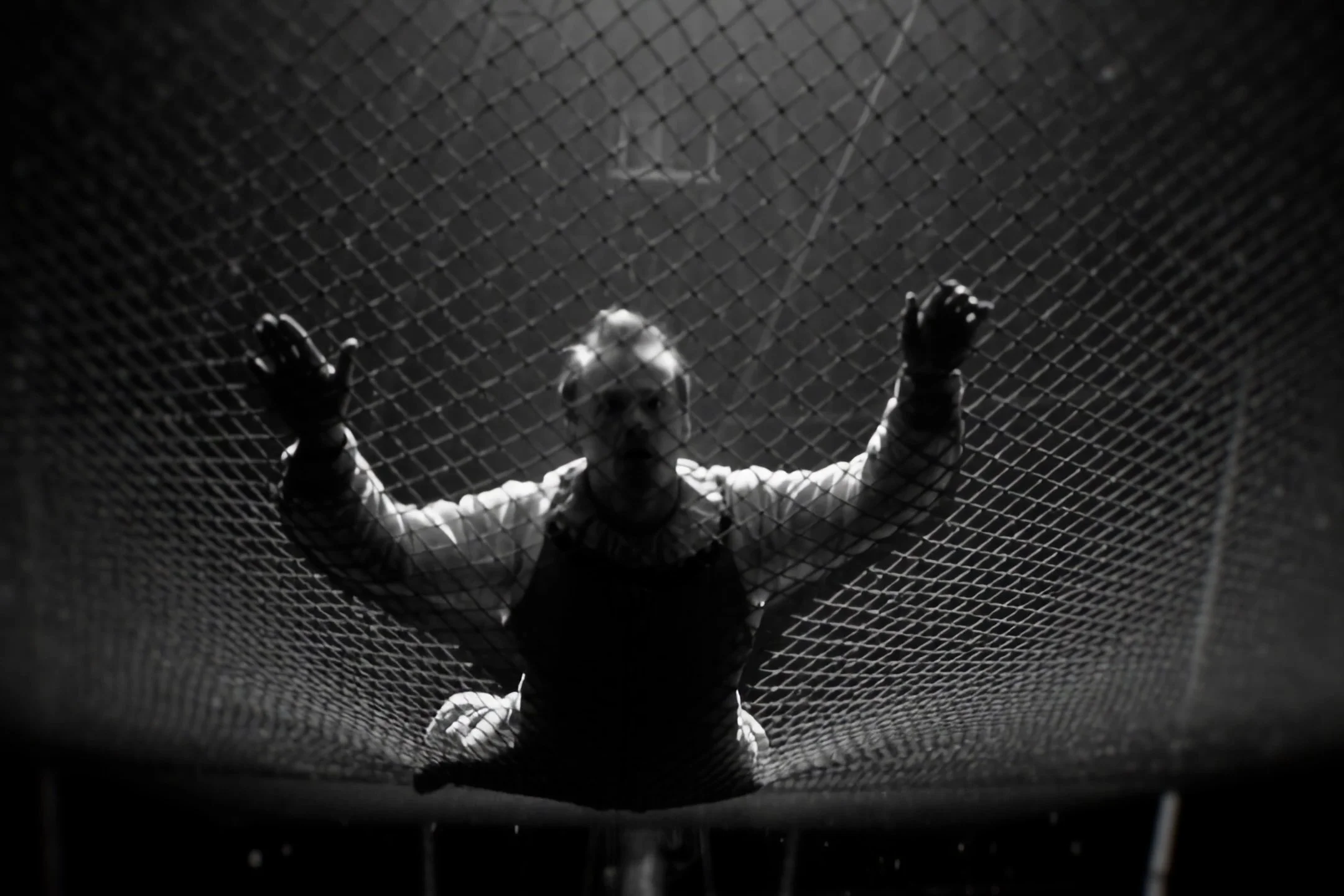
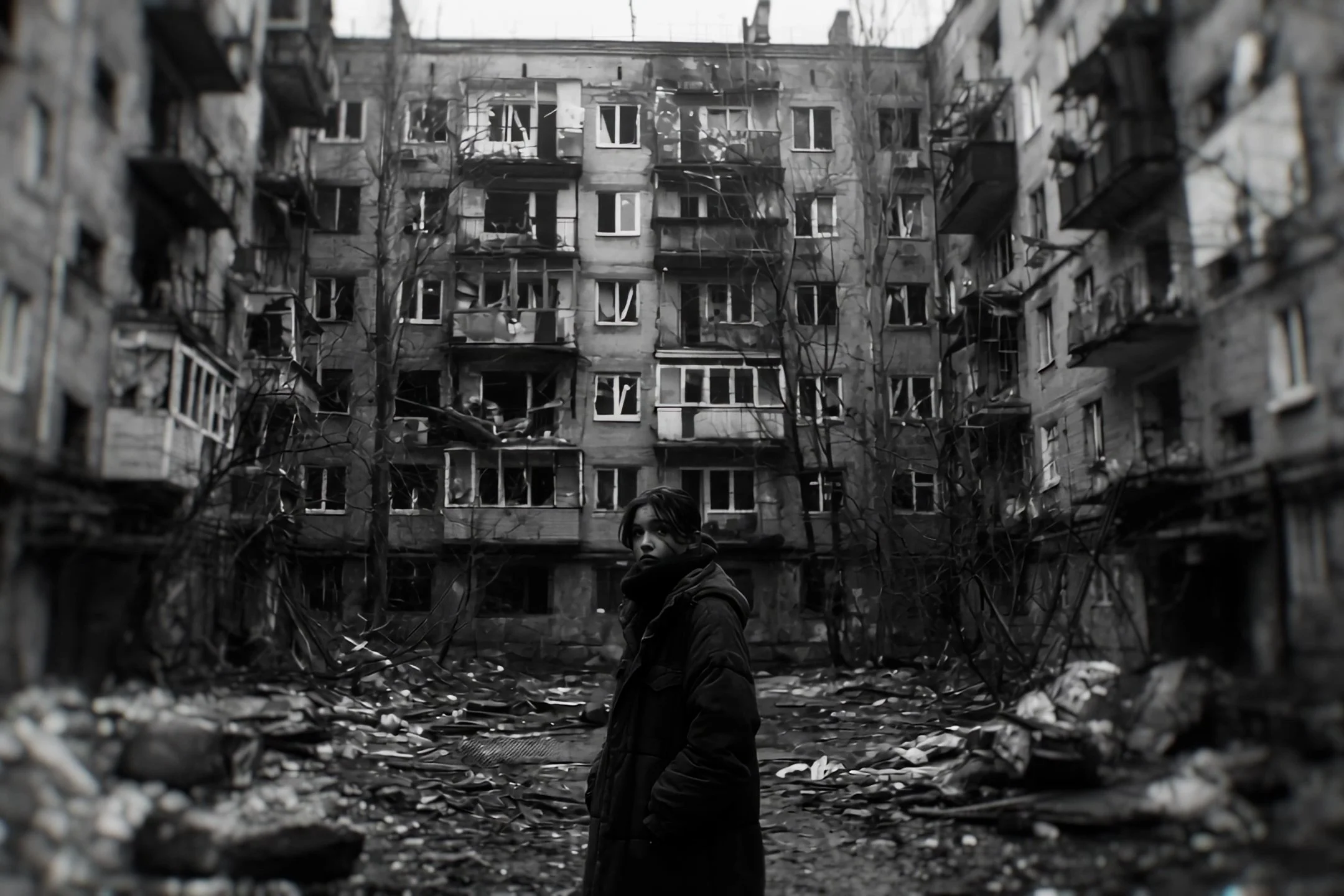
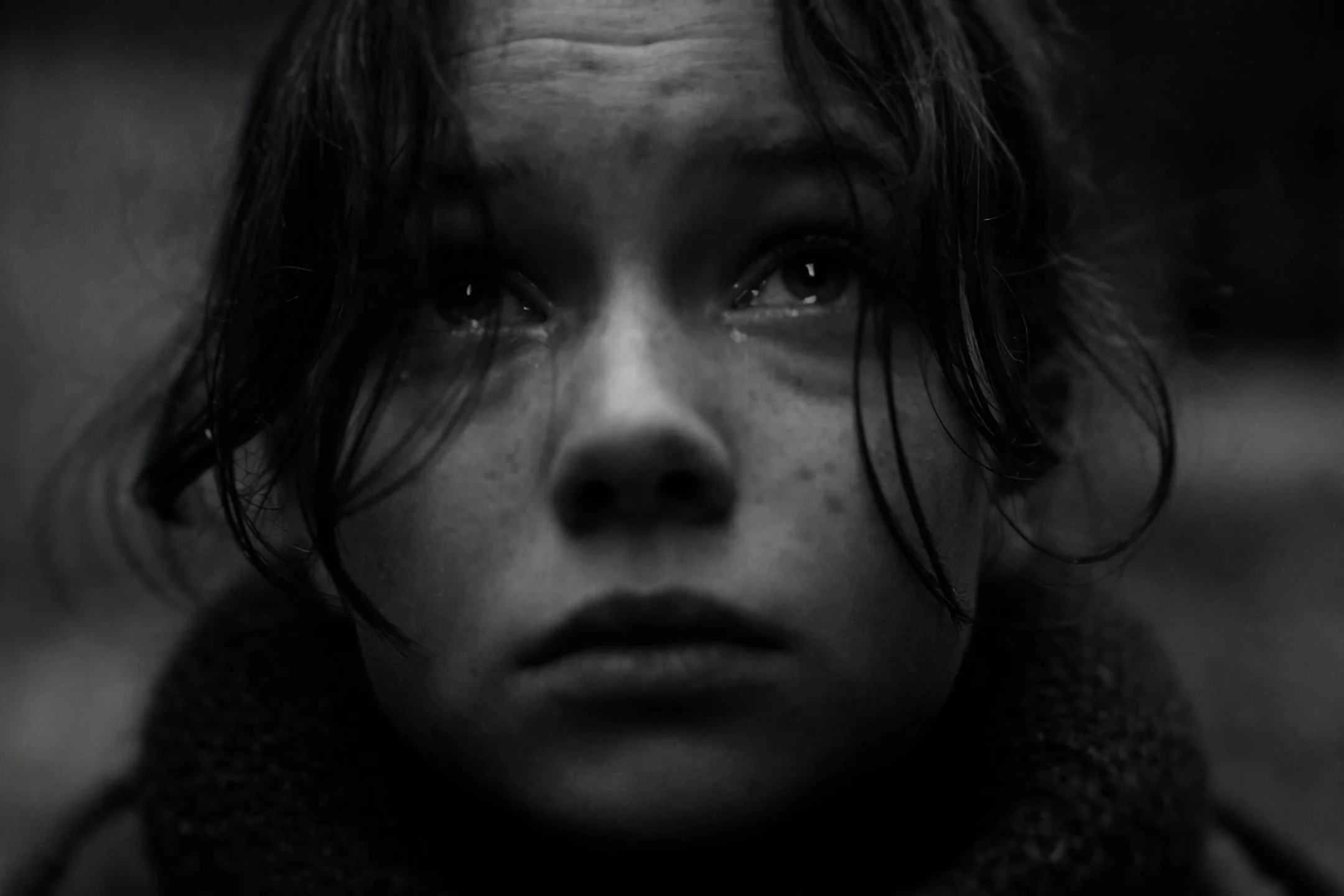
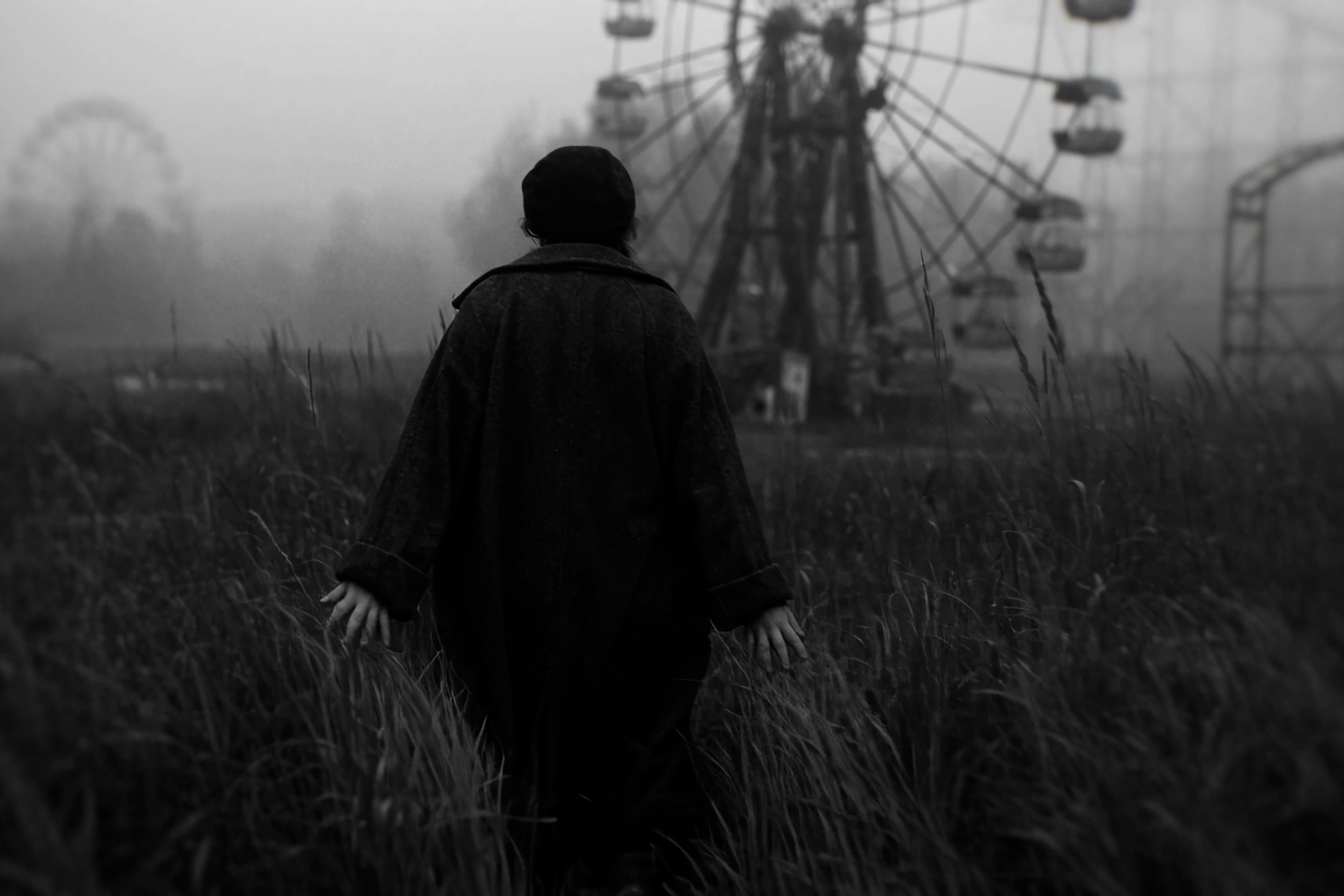
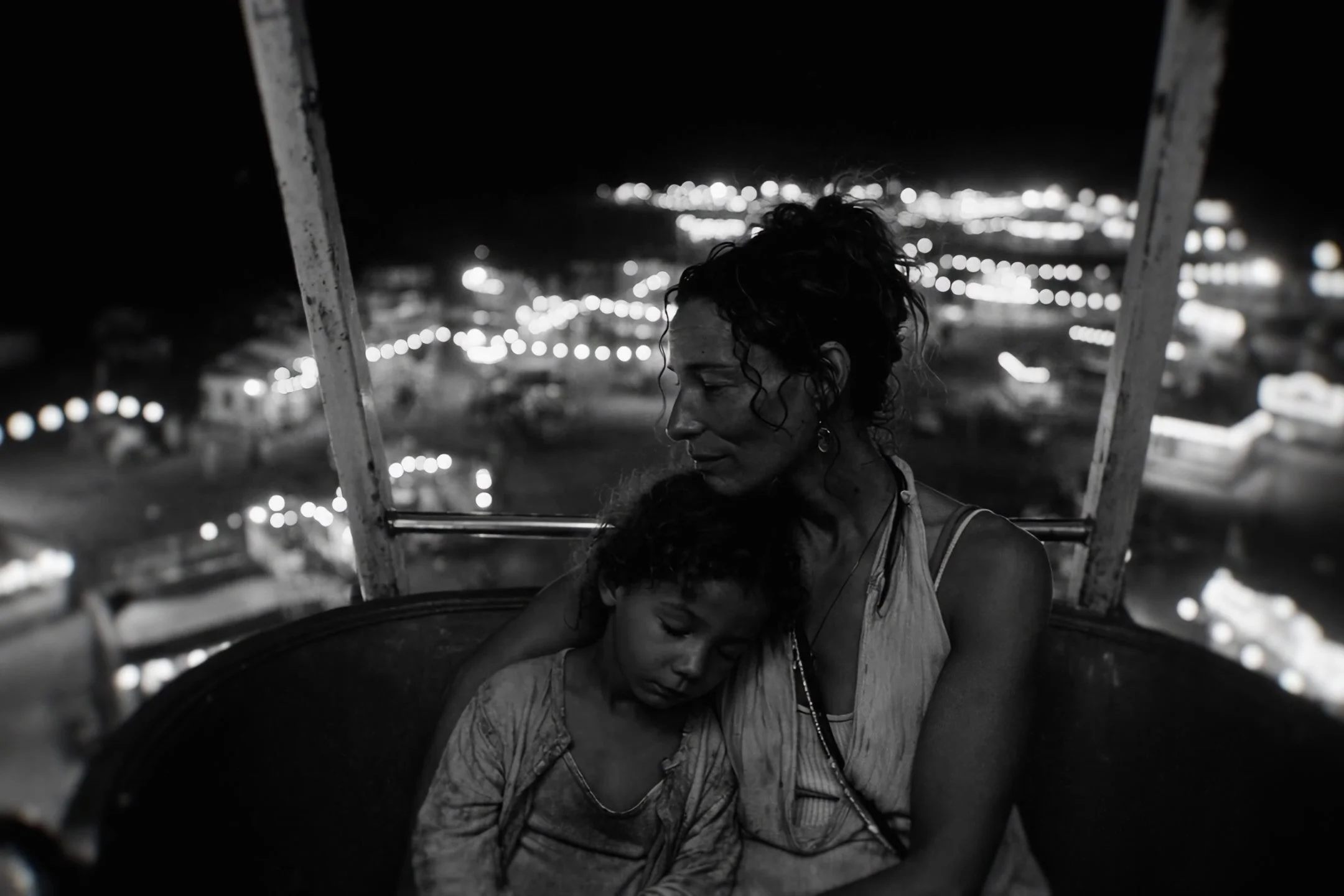
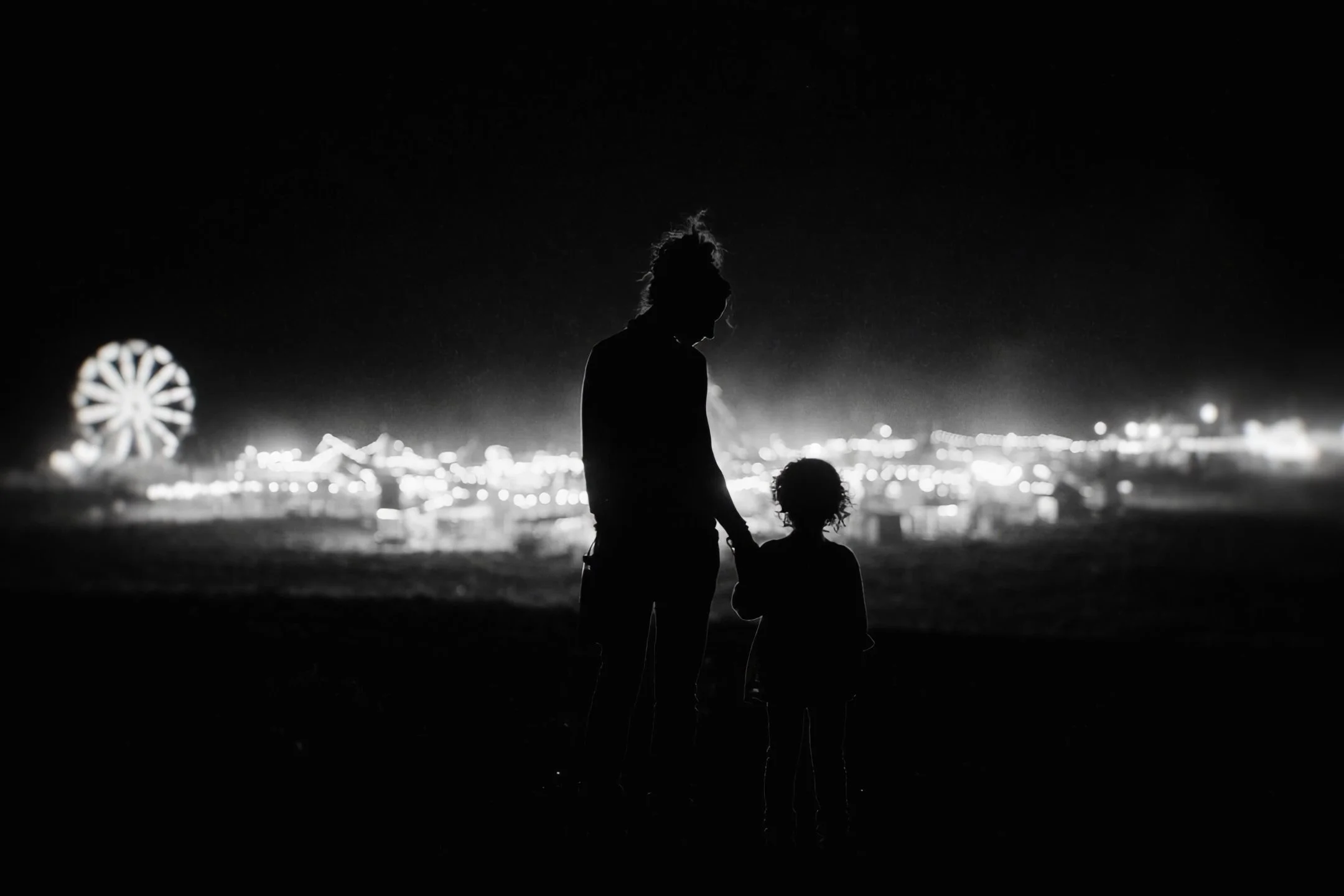
Alone began with something I had been carrying for a long time: a desire to make a film about the quiet ache of being human. About loneliness, tenderness, fear, resilience, and the people who can so easily disappear into the background of the world around us. I wanted to look at faces and places that felt imperfect and lived in, to find beauty in sadness, dignity in struggle, and moments of connection inside lives that might otherwise go unnoticed. For years, a film like this could exist in my imagination, but the realities of traditional filmmaking made it almost impossible for me to create on the scale I envisioned. The locations, performers, animals, crowds and circumstances would have required resources far beyond what I could personally finance. AI changed that. For the first time, the distance between imagination and the finished image became dramatically smaller. It gave me the freedom to explore an idea because I believed in it, not because it could be justified by a budget, a client, a production schedule or the practical limitations of what I could physically put in front of a camera. Alone was also created to challenge the idea that AI imagery must be cold, artificial or without soul. Technology does not provide the emotion. The emotion begins with the artist, with what we choose to look at, what we care about, and what we are trying to say. AI simply became another instrument through which those feelings could be expressed. For me, that may be its most exciting possibility: not replacing filmmaking, but giving more filmmakers the freedom to make the deeply personal films that have been living inside them, sometimes for years, waiting for a way to exist.